The year was 1944. Allied forces stormed the beaches of Normandy, tanks rolled across the Eastern Front, and the fate of millions hung in the balance. Today, these pivotal moments of World War II come alive on kitchen tables through Memoir ’44, a board game that masterfully bridges the gap between historical authenticity and accessible gameplay.
This award-winning strategy game puts players in command of miniature armies, recreating the tension and tactical decisions faced by WWII commanders. Each carefully crafted scenario reflects real battle conditions – from the hedgerows of Operation Cobra to the frozen steppes of the Eastern Front.
What sets Memoir ’44 apart is its dedication to historical accuracy without sacrificing playability. The game’s terrain, unit positions, and objectives mirror actual WWII operations, while intuitive command cards and combat mechanics keep the action flowing. Players don’t just move pieces on a board – they experience the strategic challenges that shaped the war’s most decisive engagements.
This blend of history and strategy is not unique to Memoir ’44; it is a hallmark of many traditional board games around the world. These games often reflect unique cultural traditions and regional significance, as explored in this article about traditional board games.
Moreover, it’s interesting to note how some forgotten board games have paved the way for modern classics like Memoir ’44. This evolution in gaming is detailed in an insightful piece about forgotten board games, which highlights their impact on today’s gaming landscape.
The journey of classic board games like Memoir ’44 is also a testament to their enduring influence on society. The history of classic board games provides a fascinating insight into this aspect.
Finally, we cannot overlook the significant impact that mid-20th century had on shaping modern gaming trends. The golden age of board games during this period brought forth mass-market classics and innovations that continue to influence the gaming industry today.

The Evolution of Memoir ’44
Days of Wonder released Memoir ’44 in 2004 to commemorate the 60th anniversary of the D-Day landings. The game’s initial release focused on recreating the pivotal battles of Western Europe, including the iconic Operation Overlord and subsequent Allied push through France.
The base game’s success sparked a series of expansions that transformed Memoir ’44 from a Western Front simulator into a comprehensive WWII gaming experience:
- Eastern Front – Added Russian forces and winter warfare mechanics
- Pacific Theater – Introduced jungle combat and Japanese army units
- Mediterranean Theater – Brought North African desert warfare into play
- Air Pack – Integrated aerial combat with fighter planes and bombers
Each expansion enriched the battlefield with unique elements:
- New terrain types like rice paddies and desert dunes
- Specialized units including Gurkhas and Finnish ski troops
- Theater-specific combat rules reflecting different fighting styles
- Additional scenario mechanics such as night operations
The game’s evolution mirrors WWII’s progression, with each new addition carefully balancing historical authenticity against playability. These expansions transformed Memoir ’44 from a focused D-Day experience into a versatile system capable of recreating battles from every major WWII theater, while maintaining the core mechanics that made the original release accessible to new players. This transformation is part of a larger trend in the evolution of strategy board games, where conflict and strategy have significantly shaped gaming history.
How Gameplay Mechanics Enhance the WWII Experience
The heart of Memoir ’44‘s success lies in its elegant command and control system. Players wield a hand of Command cards that dictate their tactical options each turn. These cards create authentic military challenges by limiting unit activation to specific battlefield sections – left, center, or right. This mechanic brilliantly simulates the fog of war and communication difficulties faced by real WWII commanders.
Combat Resolution and Unit Advantages
Combat resolution strikes a masterful balance through its dice system. Each unit type rolls a specific number of dice based on its combat strength, with custom dice faces showing infantry, armor, or terrain symbols. This creates distinct advantages for different units:
- Infantry excels in defensive positions and rough terrain
- Tanks dominate open ground but remain vulnerable in cities
- Artillery provides crucial support but requires careful positioning
Strategic Depth and Player Decision-Making
The game’s strategic depth emerges from the interplay between card management and tactical positioning. Players must:
- Plan multiple turns ahead based on their Command cards
- Position units to maximize their combat effectiveness
- Create mutual support networks between different unit types
- Anticipate enemy movements and prepare countermeasures
While the rules remain straightforward enough for new players to grasp quickly, mastering the subtle interactions between terrain, unit capabilities, and Command card timing offers rich strategic possibilities. The system rewards careful planning while maintaining enough randomness through dice rolls to create dramatic moments that mirror the chaos of actual battlefield conditions.
This combination of accessible mechanics and meaningful decisions allows players to experience the key strategic considerations of WWII commanders without getting bogged down in complex rules.
Furthermore, the game also subtly incorporates elements from earlier conflicts, such as those seen in World War I, where various military developments significantly influenced warfare strategies.
Recreating History: Famous Battles in Memoir ’44 Scenarios
The heart of Memoir ’44 lies in its faithful recreation of pivotal WWII battles. Each scenario meticulously reconstructs historical operations through precise terrain layouts, authentic troop positions, and mission-specific victory conditions.
Omaha Beach
Omaha Beach stands as one of the game’s most iconic scenarios. Players experience the daunting challenge faced by Allied forces on D-Day:
- Heavy German bunker defenses positioned on bluffs
- Allied troops starting on beach hexes with limited cover
- Accurate representation of the treacherous beach obstacles
- Victory conditions reflecting the actual objectives of securing beachheads
Pegasus Bridge
The Pegasus Bridge scenario captures the intensity of Operation Deadstick:
- British airborne units must secure the strategic bridge
- Night-time combat rules create tension and uncertainty
- Historical placement of German defensive positions
- Compressed timeline matching the real operation’s urgency
Battle of the Bulge
In the Battle of the Bulge scenarios, players command forces during Germany’s last major offensive:
- Dense Ardennes forest terrain affects movement and combat
- Winter weather conditions impact tactical decisions
- Multiple connected scenarios form a mini-campaign
- Authentic unit compositions for both Allied and German forces
The game’s attention to historical detail extends to lesser-known battles. Each scenario includes briefings with actual battle accounts, unit statistics, and strategic context. The hex-based board system adapts real battlefield topography into playable terrain while maintaining geographical accuracy and strategic chokepoints that shaped these historic encounters.

Such innovative designs are a testament to the creativity of famous board game designers who have made a lasting impact on the gaming industry.
Expanding the Battlefield: Memoir ’44 Expansions and Complexity
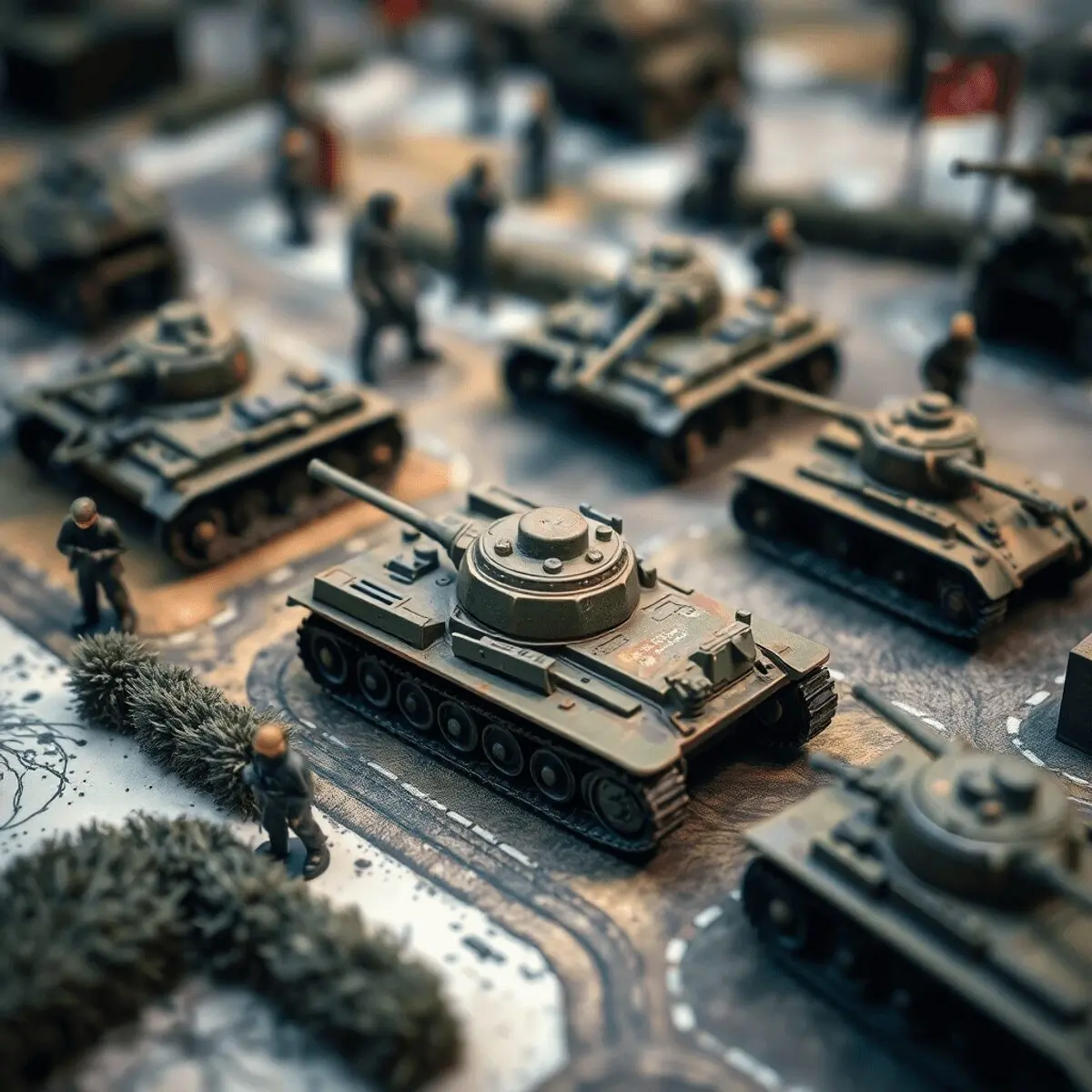
The base game’s success sparked a wave of expansions that transformed Memoir ’44 into a comprehensive World War II gaming experience. The Eastern Front expansion plunges players into the brutal battles between German and Soviet forces, introducing specialized units like the deadly T-34 tanks and weather conditions that dramatically affect troop movement.
The Pacific Theater expansion shifts the action to dense jungles and island warfare, adding Japanese forces with unique combat abilities and US Marine units specialized in amphibious operations. These additions create distinct tactical challenges:
- Cave networks that provide strategic defensive positions
- Dense jungle terrain that limits unit mobility
- Naval units for island-hopping campaigns
- Special rules for Japanese infantry charges
Beyond geographical expansions, Memoir ’44 grew in scale through the Breakthrough system, which doubles the standard battlefield size. This expansion introduces:
- Extended 13×17 hex maps
- Modified command card mechanics
- Longer-term strategic planning
- Multi-day operation scenarios
The Winter Wars expansion adds snow-covered battlefields and specialized equipment, while the Air Pack brings tactical air support into play. Each new element increases the game’s complexity through:
- Unique unit abilities
- Specialized combat rules
- Environmental effects
- Advanced tactical options
These expansions transform Memoir ’44 from a focused Western Front experience into a rich tapestry of WWII combat across multiple theaters. Players can recreate massive operations like Operation Barbarossa or island-hopping campaigns in the Pacific, with each expansion adding layers of strategic depth while maintaining the core mechanics that make the base game accessible.
The Strategic Depth of Memoir ’44: Tactical Decision-Making in Board Games
The heart of Memoir ’44’s strategic gameplay lies in its Command card system, where each decision shapes the battlefield’s destiny. Players must master the delicate balance between:
- Card Management – Holding powerful cards for critical moments vs using available options
- Positional Tactics – Maneuvering units to exploit terrain advantages and create crossfire opportunities
- Resource Allocation – Deciding which sectors of the battlefield deserve priority attention
The game rewards players who can read the battlefield and adapt their strategy accordingly. A successful commander must:
- Anticipate enemy movements based on visible Command cards and unit positions
- Calculate risk-vs-reward scenarios when committing forces to battle
- Create backup plans when primary strategies fail
Strategic depth emerges through the interplay of multiple systems:
“The true test of a commander isn’t just winning battles – it’s making the right decisions with limited resources at the right time.”
Combat effectiveness depends on careful unit positioning, proper timing of attacks, and maintaining tactical flexibility. Players face crucial decisions about:
- When to push for objectives vs holding defensive positions
- How to maximize the impact of specialized units
- Whether to concentrate forces or spread them across multiple sectors
The game’s design brilliantly forces players to think several moves ahead while remaining adaptable to changing battlefield conditions. Each Command card played represents a strategic commitment that can open new opportunities or leave forces vulnerable to counterattack.
This tactical decision-making is reminiscent of the complexities found in legacy campaign-based board games, which have evolved significantly over time. Furthermore, exploring ancient and medieval board games reveals how these games have shaped our understanding of history and culture through their strategic elements.

Balancing Accessibility and Complexity in Memoir ’44 Expansions
The beauty of Memoir ’44 expansions lies in their modular nature. Players can add complexity at their own pace, making the game adaptable to different skill levels and preferences. Each expansion introduces new elements without overwhelming the core gameplay:
- Pacific Theater adds jungle warfare and US Marine units
- Eastern Front introduces Russian Army specialties and winter combat
- Mediterranean Theater brings desert warfare and British Commonwealth forces
These additions create distinct gameplay experiences while maintaining the base game’s intuitive mechanics. The Terrain Pack expansion exemplifies this balance – adding new battlefield conditions without requiring extensive rule changes.
For experienced wargamers seeking deeper challenges, the Breakthrough expansion increases map size and strategic options. The Campaign Book series introduces linked scenarios, where victories affect subsequent battles. These advanced options satisfy veteran players without alienating newcomers.
The Overlord expansion transforms Memoir ’44 into an 8-player experience, with each side having multiple commanders coordinating their actions. This social element adds complexity through player interaction rather than rule complications.
Players can mix and match expansions to create their ideal complexity level:
- Start with base game mechanics
- Add simple terrain variations
- Introduce new unit types
- Explore advanced scenarios
- Scale up to multi-player formats
This graduated approach allows groups to evolve their gameplay experience while preserving the accessible nature that makes Memoir ’44 appealing to casual and dedicated wargamers alike.
Conclusion
Memoir ’44 is an outstanding board game that skillfully combines historical accuracy with fun gameplay. It successfully turns intricate WWII battles into easy-to-understand scenarios, making it a valuable entry point for both history lovers and casual gamers.
With its clever command card system and strategic depth, Memoir ’44 offers unforgettable tabletop experiences that pay tribute to the importance of WWII history while still being enjoyable and easy to understand. The base game is a fantastic starting point, and the expansions provide exciting opportunities to delve into various war fronts.
Ready to lead your own WWII forces? Begin with the base game to grasp the fundamental mechanics, then gradually explore the expansions that pique your interest the most. If you’re looking for similar experiences, consider:
- Command & Colors: Ancients – Same system, ancient warfare
- BattleLore – Fantasy adaptation of the Memoir ’44 mechanics
- Tide of Iron – More complex WWII tactical combat
Join the community of Memoir ’44 players and find out why this game continues to enthrall military history enthusiasts and board game lovers alike.