The Castles of Burgundy history begins with its release in 2011, when designer Stefan Feld introduced a Euro-style board game that would redefine strategic tabletop experiences. With its elegant mechanics, tile placement strategy, and medieval estate-building theme, Castles of Burgundy quickly rose to prominence, becoming a staple in the collections of hobby gamers around the world.
So, what makes Castles of Burgundy such a beloved game in the board gaming community? The answer lies in its ability to balance accessibility with complexity. Each session offers players the opportunity to build their own medieval French estates through clever tile placement, strategic use of dice, and thoughtful decision-making. The brilliance of the game lies in its simple yet elegant design, where every decision counts and there are multiple ways to achieve victory.
What We Will Explore?
In this article, we will explore the history of Castles of Burgundy, delving into the genius behind its creation. We will examine Stefan Feld’s distinctive design philosophy and how it has influenced modern Eurogames. Additionally, we will look at the broader context of Eurogames’ history and evolution, as they have played a significant role in shaping contemporary gaming culture and contributing to the popularity of strategy board games.

We will also discuss how Castles of Burgundy has redefined engine-building mechanics and established new benchmarks for strategic depth in tile-placement games. Its impact on the genre has solidified its reputation as one of the most highly regarded board games ever made.
Furthermore, we will explore various related topics such as the significance of lesser-known or forgotten board games throughout history, including their cultural importance and notable examples from the past. Understanding these aspects can provide valuable insights into the evolution of different genres within board gaming over time.
Finally, we will examine how conflict-based themes have shaped gaming history by analyzing specific instances where strategy board games have been influenced by warfare elements. Within this broader landscape, the Castles of Burgundy history stands out—not for its combat, but for how it revolutionized peaceful strategy through calculated resource management and spatial planning. Its success contributed to the ongoing evolution of Eurogames, offering a blueprint for how strategic depth can exist without direct player conflict.
The Origins of Castles of Burgundy
Stefan Feld’s journey to creating Castles of Burgundy began during his prolific design period in the late 2000s. A mathematics teacher turned game designer, Feld had already established himself with hits like In the Year of the Dragon and Notre Dame. His partnership with Ravensburger, one of Germany’s oldest publishers, set the stage for what would become his masterpiece.
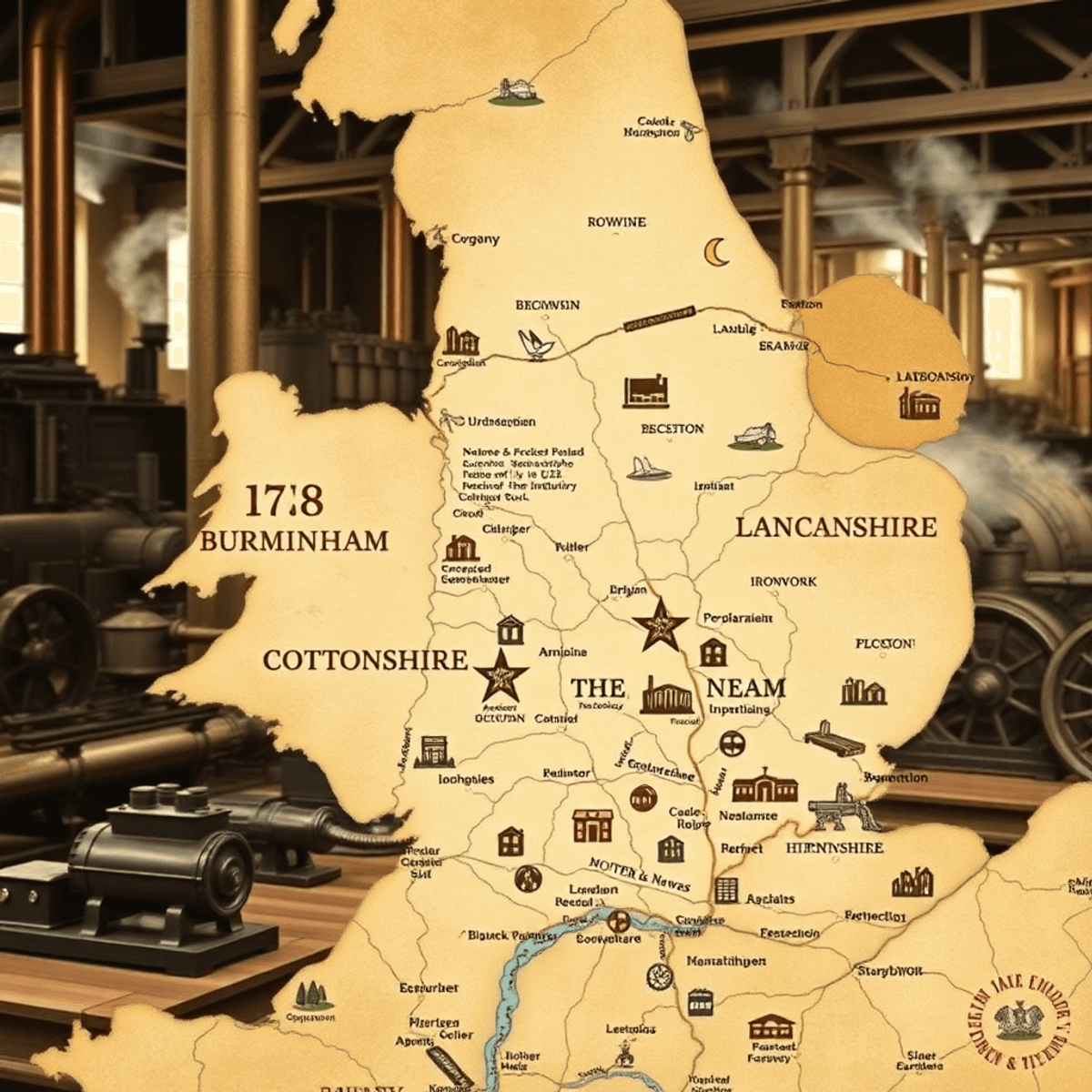
The game draws inspiration from the rich tapestry of medieval French estates, specifically the Burgundy region during the 15th century. Players step into the roles of aristocrats developing their territories through careful planning and resource management. This historical setting provides the perfect backdrop for Feld’s signature mechanical depth.
Released in 2011, Castles of Burgundy emerged during a transformative period in board gaming. The development process focused on refining the intricate balance between dice-based actions and strategic planning – a combination that raised eyebrows among traditional Euro gamers.
The gaming community’s response was immediate and enthusiastic:
- BoardGameGeek Rating: Climbed to the top 20 within months of release
- Critical Reception: Praised for innovative dice manipulation mechanics
- Player Response: Celebrated for its depth without overwhelming complexity
The game’s success sparked a new wave of Euro-style designs that embraced randomness as a strategic element rather than a pure luck factor. Castles of Burgundy proved that dice rolling and deep strategy could coexist harmoniously in a Euro game framework.
Tile-Placement Innovation in Castles of Burgundy
Castles of Burgundy changed the game when it comes to tile-placement mechanics with its one-of-a-kind hexagonal system. Unlike other tile-placement games where players share a board and connect pieces, each player in Castles of Burgundy builds their own estate by strategically placing tiles.
The game’s innovative approach shines through three key mechanical elements:
- Personal Estate Boards – Players work on individual hexagonal grid boards, eliminating direct spatial competition and focusing on optimization
- Color-Coded Regions – Different colored areas restrict tile placement, creating puzzle-like challenges unique to each player’s board
- Action-Driven Placement – Dice rolls determine both tile selection and placement locations, adding tactical depth to each turn
This system is quite different from games like Carcassonne, where players collectively construct a landscape. In Castles of Burgundy, the focus is on creating efficient combinations within your own estate through careful placement strategies. Players need to find a balance between scoring points right away and developing their estate for future benefits.
While the dice mechanics introduce an element of luck, experienced players can minimize the impact of unfavorable rolls by:
- Using worker tokens to modify dice results
- Planning alternative moves based on available tiles
- Developing multiple scoring strategies across different regions of their estate
The hexagonal grid design encourages players to think ahead and make thoughtful decisions about where to place their tiles. By doing so, they can earn extra points for adjacent tiles and set themselves up for future opportunities. This combination of spatial puzzles and action selection driven by dice rolls creates a rich strategic experience where every decision about tile placement carries weight.
Stefan Feld’s Design Philosophy Reflected in Castles of Burgundy
Stefan Feld’s signature design style shines through Castles of Burgundy with its intricate web of strategic possibilities. Players face meaningful decisions at every turn, where each choice branches into multiple viable paths toward victory. This design philosophy creates a game where adaptability trumps rigid strategy.
Player Agency in Dice Management
The dice management system exemplifies Feld’s commitment to player agency. Rather than letting randomness dictate gameplay, players can:
- Use workers to modify dice results
- Choose between multiple tile types for each number
- Plan alternate strategies based on available options
- Chain actions through careful tile placement
In a 2012 interview with BoardGameGeek, Feld noted: “I want players to feel empowered by their choices, not restricted by them.” This philosophy manifests in Castles of Burgundy through its combo-building mechanics. A single tile placement can trigger a cascade of bonus actions, rewarding players who recognize and capitalize on these opportunities.
Interconnected Systems and Tactical Depth
The game’s tactical depth emerges from its interconnected systems. A player might:
- Place a castle tile to gain immediate points
- Use the castle’s special action to acquire new tiles
- Chain those tiles into a powerful combination
- Score additional points through area completion bonuses
This layered decision-making creates a rich tactical environment where skilled players can mitigate bad luck through clever play. The game rewards both short-term tactical decisions and long-term strategic planning, a hallmark of Feld’s design approach.
Legacy and Impact on Tile Placement and Eurogame Design
Castles of Burgundy changed the game for tile-placement board games by introducing a complex mix of mechanics that many modern titles now use. The game’s innovative approach to personal player boards and action selection through dice rolls set a new standard in the industry, keeping it in BoardGameGeek’s Top 20 games for over ten years.
Influence on Recent Releases
The game’s impact can be seen in recent releases like:
- Terraforming Mars (2016) – Adopts a similar engine-building approach where tile placement creates cascading effects
- Great Western Trail (2016) – Incorporates personal board development with strategic placement decisions
- Wingspan (2019) – Features comparable engine-building mechanics with resource conversion
Scoring Efficiency System
The scoring efficiency system pioneered by Castles of Burgundy has become a defining feature of modern Eurogame design. Players build intricate combinations through careful tile placement, creating satisfying chains of actions that maximize point potential – a mechanism now standard in contemporary strategy games.

Enduring Appeal
Sales figures reflect this lasting appeal, with multiple reprints and editions released since 2011. The game’s 20th anniversary deluxe edition in 2019 sold out within weeks of release, demonstrating its continued popularity. BoardGameGeek statistics show over 80,000 owned copies registered on the platform, with an impressive average rating of 8.1 from more than 45,000 users.
Accessibility and Strategic Depth
The game’s accessibility combined with deep strategic elements has established it as a gateway title for newcomers to the hobby while maintaining complexity that keeps veteran players engaged. This delicate balance has influenced game designers to create experiences that scale in complexity without sacrificing depth.
Conclusion
The Castles of Burgundy history highlights the game’s lasting legacy as a masterpiece of tile-placement innovation and Eurogame strategy. Its influence is evident in countless modern titles that borrow from its elegant mechanics, dice mitigation, and rewarding player decisions—cementing its place in board game history.
Ready to explore the world of Euro-style gaming? Start your journey with these highly acclaimed titles that share Castles of Burgundy’s DNA:
- Great Western Trail – A masterful blend of deck-building and strategic movement
- Lorenzo il Magnifico – Rich in resource management and engine-building
- Grand Austria Hotel – Features innovative dice-drafting mechanics
- Terraforming Mars – Complex engine-building with tile-placement elements
Have you experienced the strategic satisfaction of building your medieval estate in Castles of Burgundy? Reflecting on the Castles of Burgundy history, which aspect of its design resonates most with you—the tactical tile placement, clever use of dice, or layered scoring potential? Share your thoughts and strategies with fellow enthusiasts and discover why this classic continues to captivate players more than a decade after its release.
This timeless journey of classic board games, including Castles of Burgundy, showcases their origins, evolution, and lasting influence on society.