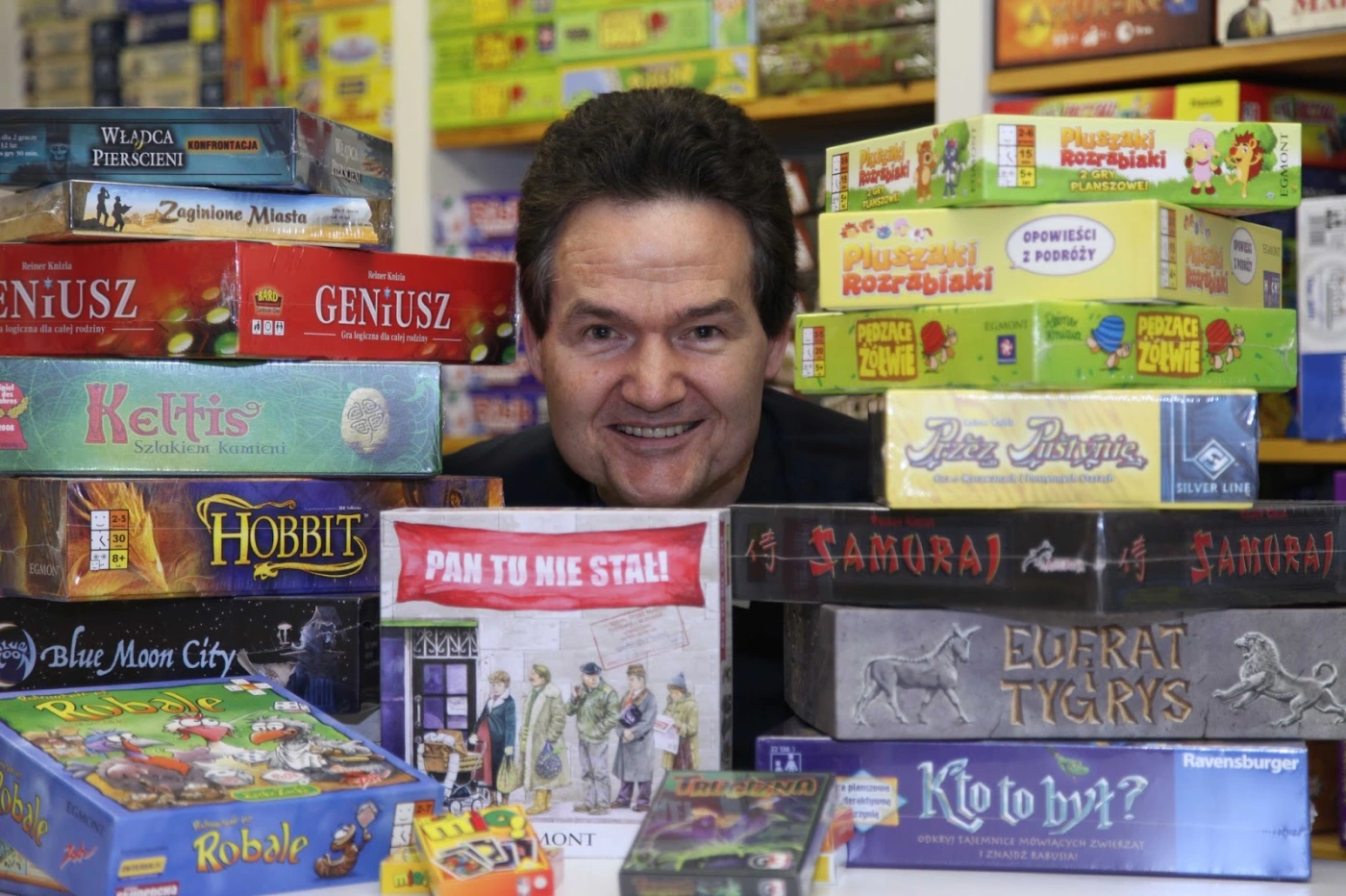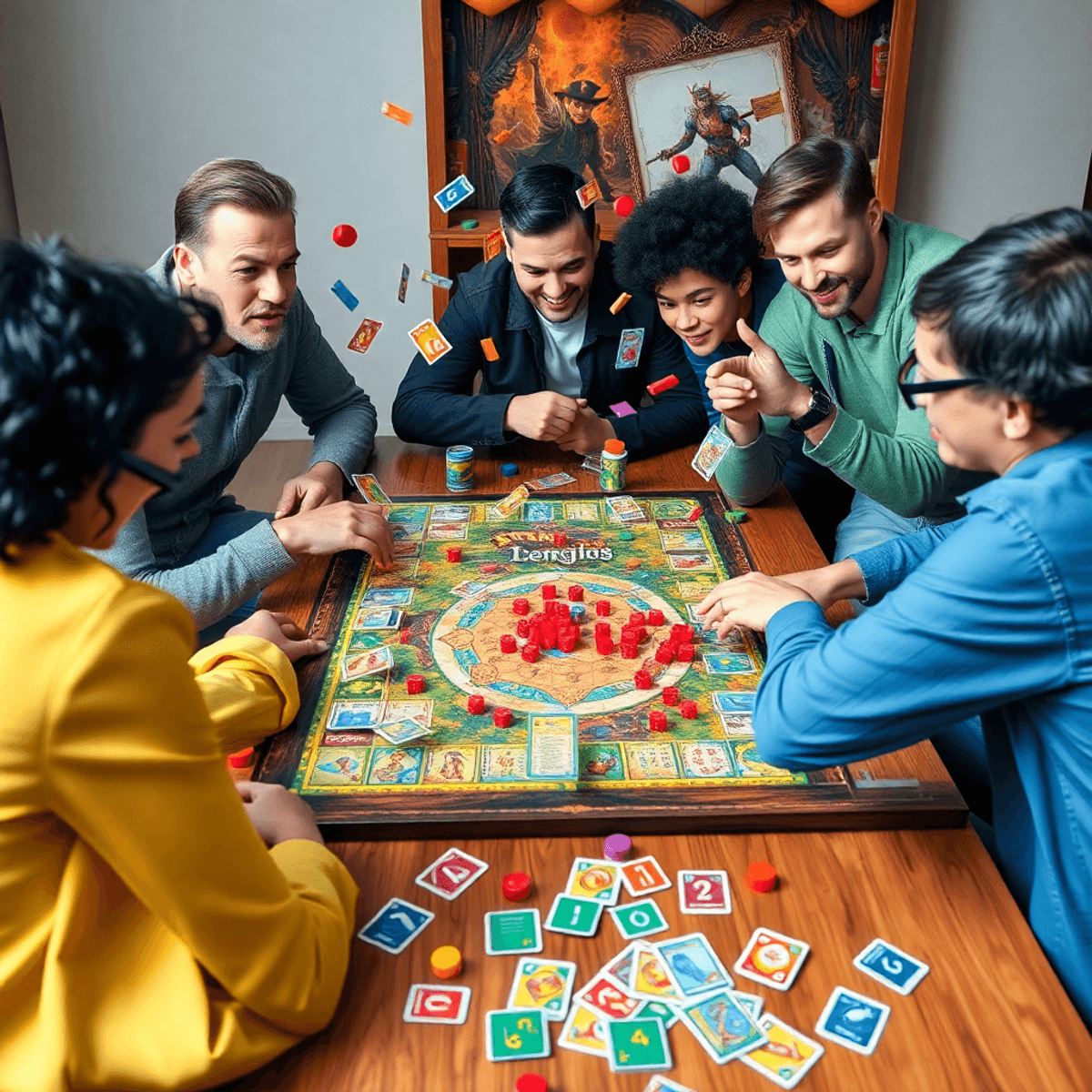
What makes a board game thrillingly unpredictable yet balanced? That sweet spot where you’re never quite sure what’s coming next, but you still feel like you have a fighting chance? Bruno Faidutti, a prominent figure among famous board game designers, has spent nearly four decades answering that question through his groundbreaking work in chaotic game design.
As one of the most influential French board game designers, Faidutti pioneered an approach that refuses to play by the rules—or rather, plays by streamlined rules that somehow unleash maximum chaos. He took the elegant, minimalist mechanics of German-style games and injected them with the wild unpredictability of American-style gameplay. The result? Titles that keep players on their toes, laughing at betrayals, and plotting their next move.
This article explores the career of Bruno Faidutti, his approach to chaotic and unpredictable mechanics in games, and how his signature style shaped titles like Citadels and Mascarade. Across approximately 1,500 words, we’ll dive into what makes his designs tick, examining the philosophy behind the chaos and spotlighting the games that made him a household name among hobby gamers worldwide.
Faidutti’s influence is not just limited to his own creations. His work is part of a larger tapestry of board games from around the world, each with unique cultural significance and traditions. Moreover, understanding Faidutti’s designs also requires acknowledging the forgotten predecessors that paved the way for modern board game classics. These influences are crucial in comprehending the evolution of board games and how they have shaped player experiences over time.
The Career Journey of Bruno Faidutti
Bruno Faidutti’s journey as a game designer began in the mid-1980s, placing him among the early wave of French board game designers who would reshape the hobby’s landscape. This article explores the career of Bruno Faidutti across nearly four decades of creative output, revealing a designer who consistently pushed boundaries while maintaining accessibility.
His portfolio speaks volumes about his versatility and dedication. With 40+ designed or co-designed games spanning multiple genres—from deduction mysteries to push-your-luck adventures, from abstract strategy to social bluffing games—Faidutti established himself as one of the most prolific creators in modern tabletop gaming. Each title carries his distinctive fingerprint: streamlined rules paired with explosive player interaction.
The Bruno Faidutti career trajectory mirrors the evolution of European game design itself. While German designers focused on elegant efficiency and American designers emphasized thematic chaos, Faidutti carved out a unique middle ground. His contributions helped establish France as a powerhouse in the board game industry, inspiring countless designers who followed.

Recognition came from multiple corners of the gaming world. Major hobby publications featured his work extensively, while platforms like The Dice Tower conducted in-depth interviews exploring his design philosophy. His BoardGameGeek profile showcases not just quantity but consistent quality, with multiple titles earning spots in players’ collections worldwide. The gaming community embraced his willingness to experiment with mechanics that other designers might consider too unpredictable or risky.
One notable aspect of his work is his contribution to [legacy and campaign-based board games](https://tabletoptrove.com/games-that-evolve-the-history-and-future-of-legacy-campaign-based-board-games), genres that have evolved significantly over time and redefine gameplay experiences.
Understanding Chaotic Game Design: Faidutti’s Unique Approach
Chaotic game design focuses on unpredictability in games—those exciting moments when a well-thought-out plan falls apart because someone played an unexpected move or made a surprise decision. This design philosophy embraces randomness, dynamic player interaction, deception, and strategic misdirection to create experiences where no two games feel the same.
Faidutti mastered the art of merging two distinct gaming traditions. German-style board games typically feature streamlined rules, minimal luck, and indirect competition. American-style games lean into direct conflict, dramatic swings, and narrative chaos. Faidutti’s genius lies in combining these approaches—he builds elegant rule systems that explode into unpredictable social warfare at the table. His designs often meet the accessibility standards valued by awards like the Spiel des Jahres while delivering the combative thrills American gamers crave.
His toolkit of chaotic board games mechanics includes:
- Auction bidding (both open and closed) that forces players to commit resources blindly
- Bluffing systems where deception becomes as valuable as strategy
- Push-your-luck elements that tempt players to risk everything for greater rewards
- Deduction puzzles wrapped in social manipulation
- Communal tug-of-war gameplay where everyone fights over a shared resource
The secret ingredient? Faidutti calibrates combativeness carefully. Players can backstab and scheme, but the chaos never spirals into frustration. His games maintain engagement through quick turns and constant player interaction, ensuring everyone stays invested even when their plans explode spectacularly.
Spotlight on Citadels: A Masterpiece of Role Manipulation and Chaos
Citadels stands as Bruno Faidutti’s most celebrated achievement—a game where secret roles in games transform simple city-building into a psychological battlefield. Each round, players secretly select character cards like the Assassin, Thief, Magician, or King. The Assassin can eliminate another character before they act. The Thief steals another player’s gold. These antagonistic powers create immediate tension: Will someone assassinate the wealthy Merchant? Will the Thief target the player hoarding coins?
The genius lies in the secrecy. Players announce their chosen roles one by one, but nobody knows who picked what until their turn arrives. This hidden identity system keeps everyone guessing and second-guessing. You might assassinate the Architect, only to discover your real threat was the Warlord sitting quietly across the table.
Memorable moments define this chaotic board game:
- A player confidently building their eighth district, only to have the Warlord destroy their most expensive structure
- The Thief stealing from an empty-handed opponent while the actual gold hoarder escapes unscathed
- Last-minute role switches that completely upend predicted outcomes
BoardGameGeek users consistently praise Citadels for its “perfect blend of strategy and chaos,” while The Dice Tower highlights how “every game feels different despite identical components.” The unpredictability never feels random—it emerges from human psychology and calculated risks.
Mascarade: Expanding Chaos for Larger Groups
If Citadels proved Faidutti could craft elegant chaos for small groups, Mascarade demonstrated his ability to scale that unpredictability to party-sized proportions. Released in 2013, this hidden identity game accommodates 3–13 players, transforming living rooms into theaters of confusion and laughter.
The genius lies in its deceptively simple card-swapping mechanic. Each player receives a character card—Judge, Witch, King, and others—but here’s the twist: players can secretly swap cards with opponents or pretend to swap while keeping their own. After several exchanges, nobody remembers who holds which role. When you claim to be the Bishop and collect coins from the bank, are you telling the truth? Your opponents must decide whether to challenge you, risking a penalty if you’re honest.
This chaotic board game thrives on manufactured amnesia. Unlike Citadels‘ structured role selection, Mascarade creates pandemonium through doubt. Players bluff, second-guess themselves, and occasionally forget their own identities. The rules remain accessible—claim a role, use its power, hope nobody calls your bluff—making it perfect for casual gatherings where learning complex systems would kill the energy.

The board gaming community embraced Mascarade as a party staple, praising its ability to generate genuine surprise and raucous moments. BoardGameGeek users consistently highlight how the game rewards bold lies and punishes overthinking, creating memorable stories that outlast the session itself.
Exploring Other Noteworthy Titles Showcasing Faidutti’s Chaotic Design Approach
Beyond his most celebrated works, Bruno Faidutti games span an impressive range of themes and mechanics, each demonstrating his commitment to chaotic mechanics in board games while showcasing diverse gameplay styles. His catalog reads like a masterclass in unpredictability.
1. Mystery of the Abbey
Mystery of the Abbey transforms players into monks investigating a murder in a medieval monastery. The deduction gameplay thrives on questioning other players and gathering clues, but Faidutti injects chaos through random events and secret information that keeps everyone guessing until the final reveal.
2. Incan Gold
Incan Gold (also known as Diamant) epitomizes push-your-luck tension. Players venture deeper into temple ruins, deciding each round whether to grab their share of gems and flee to safety or risk another turn. The communal exploration creates delicious moments of betrayal when someone abandons their companions.
3. Valley of the Mammoths
Valley of the Mammoths strips warfare to its chaotic essence—cavemen battling with clubs and mammoths in an abstract conflict where positioning and timing matter more than complex rules.
4. Silk Road and Isla Dorada
The communal tug-of-war games Silk Road and Isla Dorada force players to negotiate and bribe each other to move a shared pawn toward their secret destinations, creating shifting alliances and backstabbing opportunities.
5. Mission: Red Planet
Mission: Red Planet combines astronaut role selection with area control on Mars, where players secretly assassinate rivals and compete for variable scoring objectives that shift the game’s direction.
6. China Moon
China Moon offers lighter fare with whimsical themes and accessible mechanics, proving Faidutti’s range extends to family-friendly chaos.

The Impact of Chaos on Player Experience and Game Accessibility
Chaos transforms passive observers into active participants. When a Citadels player watches the Assassin’s choice unfold, everyone leans forward—will their character survive? This tension creates player interaction in chaotic games that extends beyond individual turns. Bluffing wars erupt naturally when players suspect card swaps in Mascarade, while shifting alliances form and dissolve as Mission: Red Planet’s astronauts compete for Martian territories. The unpredictability forces constant attention, turning waiting time into strategic observation.
Faidutti’s genius lies in simultaneous action and quick resolution. Many of his designs feature:
- Simultaneous bidding that eliminates sequential turn-taking
- Quick role reveals that maintain momentum
- Simple decision trees that prevent analysis paralysis
- Hidden information that keeps all players guessing
This downtime reduction in gameplay approach means a six-player Citadels game rarely drags, even when someone’s character gets assassinated. Players stay invested because the next twist arrives within seconds.
However, the impact of this chaos isn’t limited to just player engagement. It also significantly enhances the accessibility in board games. When rules fit on a few pages but generate endless strategic depth, it opens the doors for more players to join in. A newcomer grasps Incan Gold’s push-your-luck concept in minutes, yet experienced players still debate optimal risk thresholds. The streamlined rulesets welcome casual gamers while the chaotic interactions satisfy enthusiasts hunting for psychological warfare and unexpected comebacks.
Themes & Settings Reflecting Faidutti’s Playful Yet Strategic Chaos
Bruno Faidutti’s thematic choices in board games reveal a designer who understands that atmosphere can amplify chaos without adding complexity. His settings lean toward the colorful and caricatured—pirate theme board games, swashbuckling adventurers, and Old West shootouts populate his catalog, creating immediate visual and narrative hooks that players grasp instantly.
These humorous settings in games serve a dual purpose. The lighthearted tone prevents the chaos from feeling frustrating or mean-spirited. When you assassinate another player’s character in Citadels, the medieval city-building backdrop frames it as theatrical scheming rather than personal attack. The game’s Renaissance intrigue—complete with thieves, merchants, and bishops—transforms backstabbing into performance art. Players aren’t just collecting gold; they’re embodying cunning nobles competing for architectural glory.
Mascarade takes this approach even further with its masquerade ball setting. The elegant Venetian carnival atmosphere justifies the confusion and deception baked into the gameplay. Swapping identity cards becomes a natural extension of the theme—everyone’s wearing masks, so who’s really who? The setting doesn’t just decorate the mechanics; it explains them.
Faidutti’s thematic layering creates instant accessibility. New players understand “you’re a pirate stealing treasure” faster than abstract mechanical descriptions. The playful veneer invites experimentation while the strategic depth rewards repeated plays. His worlds feel alive with possibility, matching the unpredictable energy of the gameplay itself.
Conclusion
Bruno Faidutti is one of the most influential French designers in modern board gaming. He has shown that chaotic game design can still be elegant and accessible. His career is a testament to how unpredictability, when carefully balanced, can create unforgettable moments during gameplay. In games like Citadels, players are left wondering if they will be targeted by the Assassin, while in Mascarade, they question whether their secret identity remains safe.
This approach has changed how players perceive games. Gamers have learned to appreciate the beauty of chaos that comes with shifting alliances, unexpected betrayals, and last-minute twists, all without being overwhelmed by complicated rules. Faidutti has taught the gaming community that simple mechanics and wild unpredictability can go hand in hand.
If you want to experience this design philosophy firsthand, try playing Citadels for its strategic role manipulation or Mascarade for its chaotic party gameplay. Both games exemplify why Faidutti’s unique style continues to enthrall players around the globe.
However, there is much more to discover in the world of French board game designers beyond Faidutti’s works. His legacy encourages you to explore how European design sensibilities merge with American-style chaos—a combination that has forever changed tabletop gaming.