In 1993, a mathematics Ph.D. student named Richard Garfield created a game that would change the gaming world forever: Magic: The Gathering. This groundbreaking card game didn’t just create a new genre – it sparked a cultural phenomenon that continues to captivate millions of players worldwide.
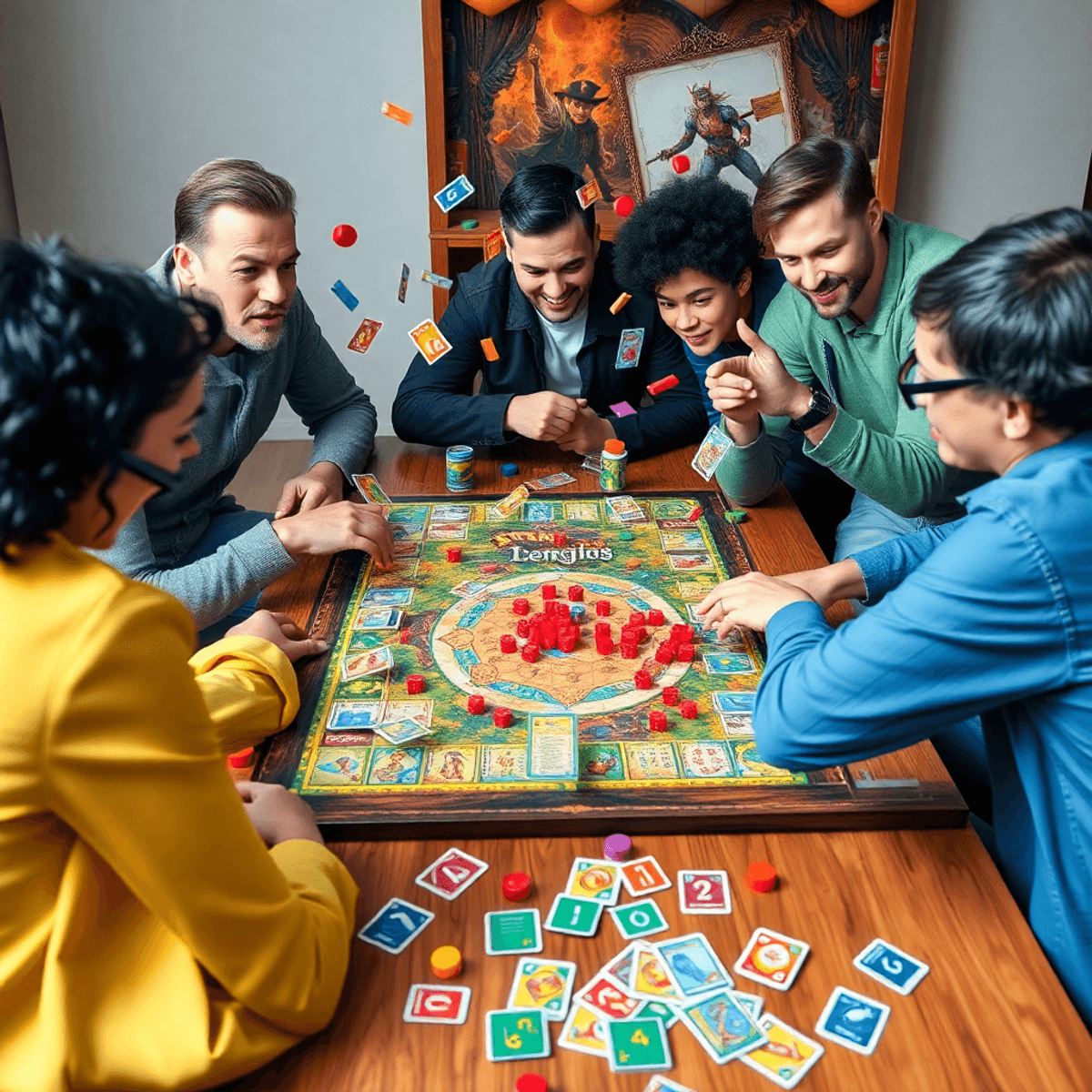
Imagine a game where every player becomes a powerful wizard, using their own special cards to cast spells, summon creatures, and fight for victory. That’s the magic Richard Garfield brought to life. As the first collectible card game (CCG), Magic: The Gathering created an entirely new way to play, collect, and compete.
The game’s impact goes beyond its impressive numbers:
- 40+ million players worldwide
- Available in 11 languages
- Over 20,000 unique cards printed
- Professional tournaments with prize pools over $1 million
Richard Garfield’s creation didn’t just change how we play games – it transformed how we think about game design itself. His innovative approach to combining strategy, collectibility, and fantasy storytelling has influenced countless games across tabletop and digital platforms.
The Birth of Magic: The Gathering
Richard Garfield’s journey to creating Magic: The Gathering began during his doctoral studies in combinatorial mathematics at the University of Pennsylvania. A lifelong game enthusiast, Garfield spent his spare time designing and refining various game concepts between academic pursuits.
The Idea Behind Magic
The spark for Magic ignited when Garfield pitched a different game called RoboRally to Peter Adkison, founder of Wizards of the Coast. While Adkison loved the concept, he needed something portable and quick-playing that could entertain convention-goers. This challenge pushed Garfield to develop his idea for a card game with modular, customizable elements.

Designing the Game System
Drawing from his mathematical background, Garfield crafted a revolutionary game system where:
- Players could build personalized decks from a pool of cards
- Each card represented different spells, creatures, and resources
- The game featured an innovative resource system using “lands”
- Cards had varying rarities, creating a collecting aspect
Testing with Graduate Students
The initial testing phase involved Garfield’s fellow graduate students, who became deeply invested in the game’s development. They played with hand-drawn cards during lunch breaks and after classes, helping refine the mechanics that would define the genre.
The Birth of a Phenomenon
By 1993, what started as a simple portable game had evolved into Magic: The Gathering – the world’s first collectible card game. The initial Alpha set contained 295 unique cards, establishing the foundation for a gaming phenomenon that would reshape the industry.
Innovative Game Design in MTG
Magic: The Gathering changed tabletop gaming forever with its innovative design elements. The game introduced the revolutionary idea of customizable deck building, which lets players create their own strategies using their personal card collections. This design choice made each player’s deck feel unique and special.
Masterful Resource Management
The game’s mana system is a brilliant example of balanced game design. Players need to carefully manage their resources by playing lands to generate mana, which creates a natural flow to the game and adds strategic depth. This clever mechanic stops players from using their most powerful cards right away, forcing them to think critically and make smart choices throughout each match.
Strategic Complexity through Colors
MTG’s color wheel system adds another layer of strategic complexity:
- White: Order, protection, and healing
- Blue: Knowledge, control, and manipulation
- Black: Power, death, and sacrifice
- Red: Chaos, aggression, and direct damage
- Green: Growth, nature, and creatures
The interaction between these colors leads to different playstyles and encourages players to build diverse decks. They can either focus on the strengths of a single color or combine multiple colors for more complex strategies.
Dynamic Gameplay with Instants
The game’s instant mechanic allows players to cast spells during their opponent’s turn, creating exciting interactions and keeping both players involved at all times. This design choice turned card games into thrilling battles of strategy and timing instead of just passive activities.
Immersive Fantasy Experience
MTG’s fantasy theme blends perfectly with its mechanics through descriptive card names, stunning artwork, and unique abilities. Each card tells a story while also serving a purpose in the game, making it intellectually stimulating as well as creatively captivating.
Additionally, the game employs various draw systems in its customizable card game format. These systems significantly influence gameplay by determining how players acquire new cards during a match.
Pioneering a New Genre: Collectible Card Games
The release of Magic: The Gathering in 1993 marked a revolutionary moment in gaming history, creating an entirely new genre that would reshape the industry. However, it’s important to recognize that this wasn’t an isolated event. Several forgotten board games with unique mechanics and themes paved the way for the development of collectible card games (CCGs).
The Impact of MTG on Other Collectible Card Games
The success of MTG inspired numerous companies to develop their own collectible card games, each bringing unique twists to the format:
- Yu-Gi-Oh! captured the anime audience with its Egyptian mythology and monster-summoning mechanics
- Pokémon Trading Card Game transformed Nintendo’s beloved franchise into a competitive card battle system
- Star Wars CCG brought the epic space saga to tabletop gaming
The Influence of MTG on Digital Gaming
The influence of MTG extends far beyond physical card games. Digital gaming platforms have embraced Garfield’s innovative mechanics:
- Hearthstone adapted MTG’s resource management and creature combat systems for online play
- Magic: The Gathering Arena brought the original game into the digital age
- Legends of Runeterra built upon MTG’s combat mechanics while introducing new twists
The Enduring Appeal of Garfield’s Design Principles
The rise of digital CCGs demonstrates the enduring appeal of Garfield’s core design principles. These games maintain MTG’s strategic depth while leveraging technology to create new possibilities for card interactions and player engagement. The genre continues to evolve, with each new title adding fresh interpretations of the foundational elements established by Magic: The Gathering.

Richard Garfield’s Design Philosophy: Engaging Players Through Strategy and Fun
His approach to game design centers on a deep understanding of player psychology and engagement. His philosophy rests on two core pillars:
- Building on Existing Knowledge: Games should leverage familiar concepts while introducing novel mechanics
- Balance Between Innovation and Mastery: Creating spaces for both creative strategists and technical perfectionists
This design philosophy shines through Magic: The Gathering’s core mechanics. The game’s mana system provides a natural power curve that keeps matches dynamic, while the color wheel creates inherent strengths and weaknesses that players must navigate strategically.
Garfield’s fascination with player psychology manifests in his preference for games that spark “aha!” moments. His favorite MTG card, Shahrazad, exemplifies this by creating a game-within-a-game experience that challenges players’ traditional understanding of card game boundaries.
In his game design lectures, Garfield emphasizes:
“A great game should be easy to learn but difficult to master, providing endless opportunities for discovery and improvement.”
This principle appears across his work – from the procedurally generated decks in KeyForge to the dice-rolling decisions in King of Tokyo. Each game creates unique decision spaces where players can express creativity while engaging with deep strategic elements.
Beyond MTG: Richard Garfield’s Other Contributions to Gaming
Richard Garfield’s creative genius extends far beyond Magic: The Gathering, with a diverse portfolio of groundbreaking games that showcase his innovative design approach.
KeyForge and the Unique Deck Game
KeyForge revolutionized deck-building games by introducing the world’s first “Unique Deck Game.” Each KeyForge deck is procedurally generated and completely unique – there are no identical decks in existence. This radical departure from traditional CCG models eliminated deck construction entirely, creating a fresh competitive experience where players must master the deck they’re given.
King of Tokyo and Accessible Gaming
King of Tokyo brought a lighter, more accessible gaming experience to the table. This dice-rolling game puts players in control of monsters battling for supremacy over Tokyo, combining push-your-luck mechanics with strategic power card purchases. The game’s success spawned multiple expansions and a sequel, King of New York.
Other Notable Contributions
Other notable Garfield creations include:
- Netrunner – A cyberpunk card game praised for its asymmetrical gameplay
- RoboRally – A programming-based board game where players race robots through factory floors
- Vampire: The Eternal Struggle – A multiplayer card game set in White Wolf’s World of Darkness
These games demonstrate Garfield’s versatility as a designer, each introducing unique mechanics that challenged conventional gaming paradigms. The tabletop gaming community has embraced these innovations, with many of his games receiving critical acclaim and prestigious awards, including multiple Origins Awards nominations and wins.
Richard Garfield’s Enduring Legacy in Gaming History
Richard Garfield’s impact on the gaming industry stretches far beyond his individual game designs. His revolutionary approach to game design has fundamentally transformed how players interact with tabletop games. The concept of deck construction, resource management, and strategic card combinations pioneered in Magic: The Gathering now serves as a blueprint for countless modern games.
The gaming industry has recognized Garfield’s monumental contributions through numerous accolades. His induction into the Adventure Gaming Hall of Fame in 1999 marked a pivotal moment, acknowledging his role in revolutionizing tabletop gaming. The Game Manufacturers Association (GAMA) has consistently celebrated his innovations, with Magic: The Gathering earning multiple Origins Awards – the prestigious “Academy Awards” of the gaming industry.
Garfield’s influence extends into game design education and theory. His mathematical background combined with player psychology insights has created a unique design philosophy that many modern game designers study and emulate. Universities and game design programs worldwide reference his work as essential reading for aspiring creators.
The ripple effects of Garfield’s innovations continue to shape gaming culture:
- The rise of local game stores as community hubs
- Development of organized play systems
- Integration of collectibility with strategic gameplay
- Creation of secondary markets for gaming products
- Establishment of professional gaming circuits
These elements, first popularized through Magic: The Gathering, have become standard features in modern gaming communities, cementing Garfield’s position as a transformative figure in gaming history.
Moreover, Garfield’s work is part of a larger narrative in the evolution of classic board games, which have undergone significant transformations over time. This evolution includes the rise of legacy and campaign-based board games, genres that have redefined gameplay experiences. Furthermore, understanding the ancient and medieval board games provides valuable insights into the cultural significance these games hold today and their influence on modern gaming.
Conclusion
The story of Richard Garfield and Magic: The Gathering shows how one innovative idea can completely change an industry. By understanding where MTG came from, we can learn important lessons about game design, player psychology, and the balance between complexity and accessibility that still affects modern game development.
The success of the first trading card game didn’t just create a new genre—it showed the power of combining strategic depth with collectibility, a formula that resonates with players decades later. Garfield’s creation proves that groundbreaking games come from understanding what players really want: meaningful choices, social interaction, and the excitement of discovery.
Ready to explore more about tabletop gaming? Here are some ideas:
- Join a local Magic: The Gathering community
- Check out other Richard Garfield designs like KeyForge or King of Tokyo
- Learn about the interesting stories behind other revolutionary games
- Create your own game designs inspired by these timeless principles
- Discover unique traditional board games from different cultures
- Find out about famous board game designers and their impact on the industry
- Explore the evolution of strategy board games which have shaped gaming history
- Understand the golden age of board games and its influence on modern gaming trends
Your contribution could be the next chapter in gaming history.