In 1979, a unique board game changed the landscape of tabletop gaming forever. Hare & Tortoise emerged as the inaugural winner of the prestigious Spiel des Jahres (German Game of the Year) award, setting a gold standard for excellence in game design that continues to influence creators today.
This remarkable race game, inspired by Aesop’s classic fable, transformed a simple children’s story into an intricate strategic experience. Players navigate a 65-square board using carrots as currency, making calculated decisions about when to sprint ahead like the hare or pace themselves like the tortoise.
What made Hare & Tortoise stand out was its perfect blend of:
- Innovative resource management
- Strategic depth
- Family-friendly accessibility
- Elegant mechanics
The game’s selection as the first Spiel des Jahres winner marked a pivotal moment in board gaming history. It helped establish German-style board games—now known as Eurogames—as a distinct genre celebrated for emphasizing strategy and skill over luck.
Join us as we explore the fascinating journey of this groundbreaking game, from its creation by renowned designer David Parlett, to its enduring impact on modern tabletop gaming. We’ll uncover the innovative mechanics, multiple editions, and lasting legacy that make Hare & Tortoise a true classic in the board gaming world.
The success of Hare & Tortoise game also highlights how strategy board games have evolved over time, shaping not only the gaming industry but also cultural perceptions of gameplay. Furthermore, it serves as a testament to the timeless journey that classic board games like this have undergone, from their ancient origins to their modern influence.

Origins and Design of Hare and Tortoise
David Parlett is a highly respected figure in the board gaming world, known for his expertise as both a game designer and historian. His scholarly work documenting traditional card and board games across cultures has earned him recognition as a leading authority in gaming literature.
In 1974, Parlett turned Aesop’s classic story of the racing hare and tortoise into an innovative board game that would change the world of strategic gaming. His design brilliantly captured the fable’s message of steady progress versus quick advancement through clever game mechanics.
Core Mechanics
The main mechanics of the game are based on a unique system of managing resources:
- Carrot Economy: Players spend carrots to move forward, with costs following triangle numbers (1 square = 1 carrot, 2 squares = 3 carrots, 3 squares = 6 carrots)
- Strategic Backtracking: Moving backward earns carrots, creating meaningful decisions about pace and timing
- Special Squares: Hare spaces trigger various effects that can help or hinder progress
- Victory Conditions: Players must manage their carrot supply carefully – finishing with too many renders victory impossible
This elegant design creates a race where the fastest player doesn’t always win. Success requires careful planning of resources, positioning tactics, and adaptable strategies. The game rewards players who, like the tortoise, pace themselves wisely.
Accessibility and Appeal
What made Hare and Tortoise truly remarkable was its accessibility despite its strategic depth. New players grasp the basic concepts quickly through the familiar racing theme, while experienced gamers discover layers of nuanced decision-making. The mathematical relationships underlying movement costs create satisfying puzzles without overwhelming players with complexity.
The game exemplifies the emerging “German-style” design philosophy of the 1970s – emphasizing player agency and strategic thinking while maintaining broad family appeal. This balance between depth and approachability would become a defining characteristic of the Eurogame genre.
The First Spiel des Jahres Winner: A Historical Milestone
The late 1970s marked a transformative period in German board gaming culture. A group of German-speaking game critics established the Spiel des Jahres award in 1978, driven by a mission to promote high-quality family games and elevate the standards of tabletop gaming design.
The Award Criteria
The award criteria emphasized:
- Family-friendly gameplay suitable for ages 8 and up
- Innovation in game mechanics and design
- Clear, well-written rules accessible to casual players
- High production quality and value for money
The Inaugural Winner: Hare and Tortoise
Hare and Tortoise captured the inaugural Spiel des Jahres award in 1979, setting a remarkable precedent for future winners. The game’s innovative carrot economy system challenged traditional roll-and-move mechanics prevalent in the 1970s. Its perfect balance of strategic depth and accessibility resonated with both casual players and gaming enthusiasts.
The Impact on Global Board Gaming
The game’s success sparked international interest in German-style board games. Publishers worldwide took notice of the growing demand for games that prioritized strategy over luck while maintaining broad appeal. The “German game” style began to emerge as a distinct category, characterized by:
- Elegant mechanics with minimal randomness
- Strong player interaction
- Engaging themes tied to gameplay
- Reasonable playing time
- High replayability
The recognition of Hare and Tortoise helped establish German board games as a mark of quality in the global gaming market. This cultural shift laid the groundwork for the future success of other influential titles and contributed to the worldwide board gaming renaissance of the following decades.
Game Components and Editions Through Time
Hare and Tortoise started with Intellect Games in 1974. It had a simple design that focused on gameplay mechanics rather than flashy visuals. The original board had a race track with numbered spaces, basic carrot tokens, and lettuce cards – these became the main parts of the game.
Changes in Visual Presentation
In 1978, Ravensburger released a German version called “Hase und Igel” which made significant changes to how the game looked. They made it more appealing by adding colorful illustrations and high-quality components such as:
- A durable cardboard board with vibrant artwork
- Wooden player pieces shaped like hares and tortoises
- Custom-designed carrot tokens
- Redesigned lettuce cards with improved graphics

Peng licensed under Attribution-Share Alike 3.0 Unported license.
Return to Earlier Features
In 2008, Ravensburger reissued the game and brought back some layout features from earlier versions while still following modern production standards. This edition aimed to balance nostalgia with contemporary game design sensibilities by introducing clearer symbols and updated rule translations.
Elevating the Visual Experience
Gibsons Games took it a step further in their 2010 English edition by adding famous landmarks from the UK along the race track. Now players could race past iconic places like:
- Big Ben
- Tower Bridge
- Edinburgh Castle
- Stonehenge
This strategy showed how adaptable the game was across different cultures, making it more popular internationally. Each new edition has kept the game’s strategic depth intact while bringing in fresh artistic interpretations of the classic race.
Gameplay Experience and Strategic Depth
The heart of Hare and Tortoise lies in its innovative carrot economy system. Players must master the delicate balance of spending and earning carrots to progress through the race track. Each forward movement requires an increasing number of carrots based on triangle numbers:
- Moving 1 space = 1 carrot
- Moving 2 spaces = 3 carrots
- Moving 3 spaces = 6 carrots
- Moving 4 spaces = 10 carrots
This exponential cost creates a fascinating puzzle where rushing ahead can quickly deplete resources. Strategic players often move backward to replenish their carrot supply, earning one carrot per space retreated.
The game’s special squares add layers of tactical decision-making. Hare squares present players with a mix of opportunities and challenges:
- Gaining or losing carrots
- Advancing or retreating positions
- Trading carrots for lettuce cards
- Swapping places with other players
A typical 2-6 player session unfolds over 45 minutes, creating an engaging experience that rewards careful planning without becoming overwhelming. Players must consider their opponents’ positions and available resources while managing their own carrot economy.
The game shines in its accessibility – new players can grasp the basic mechanics quickly, yet seasoned strategists find depth in optimizing their moves. Successful players learn to:
- Time their backward moves efficiently
- Calculate precise carrot requirements for reaching checkpoints
- Leverage hare square effects at opportune moments
- Maintain enough resources for the final sprint
This blend of resource management and positional strategy creates a race where steady progress often trumps dramatic leaps forward, staying true to the spirit of Aesop’s original fable.
Legacy and Influence on Classic German Board Games
Hare and Tortoise blazed a trail that transformed the landscape of German board gaming. Its groundbreaking Spiel des Jahres win established a new standard for game design – one that valued strategic thinking over random chance. This shift resonated deeply within the German gaming industry, inspiring designers to create games that challenged players’ minds while remaining accessible to families.
The game’s innovative carrot economy system sparked a revolution in resource management mechanics. Modern classics like Settlers of Catan and Puerto Rico built upon this foundation, incorporating sophisticated economic systems that became hallmarks of the Eurogame genre. These games share Hare and Tortoise’s DNA: elegant rules masking deep strategic possibilities.
The game’s influence extends beyond design principles:
- Publishing Standards: Its success encouraged publishers to invest in high-quality components and clear rulebooks
- International Appeal: The game proved German-style board games could succeed globally
- Design Philosophy: Demonstrated how abstract mechanics could blend seamlessly with thematic elements
This transformation is part of a larger trend in the board gaming world, where traditional board games from diverse cultures are gaining recognition. Such unique cultural games reveal their significance and the rich traditions behind them.
Competitive Relevance of Hare And Tortoise
Hare and Tortoise maintains its competitive relevance through regular appearances at the Mind Sports Olympiad, where players worldwide compete for championships. This enduring presence at prestigious gaming events speaks to the timeless nature of its design.
The game’s DNA lives on in contemporary releases that emphasize:
- Strategic depth without complexity
- Balanced mechanics that reward skillful play
- Universal appeal across different gaming groups
- Resource management as a core gameplay element
Its impact on game design continues to shape new releases, with modern designers frequently citing it as an inspiration for their own innovative mechanics and systems. This influence is reminiscent of how forgotten board games shaped modern classics, affecting mechanics, themes, and player experiences.
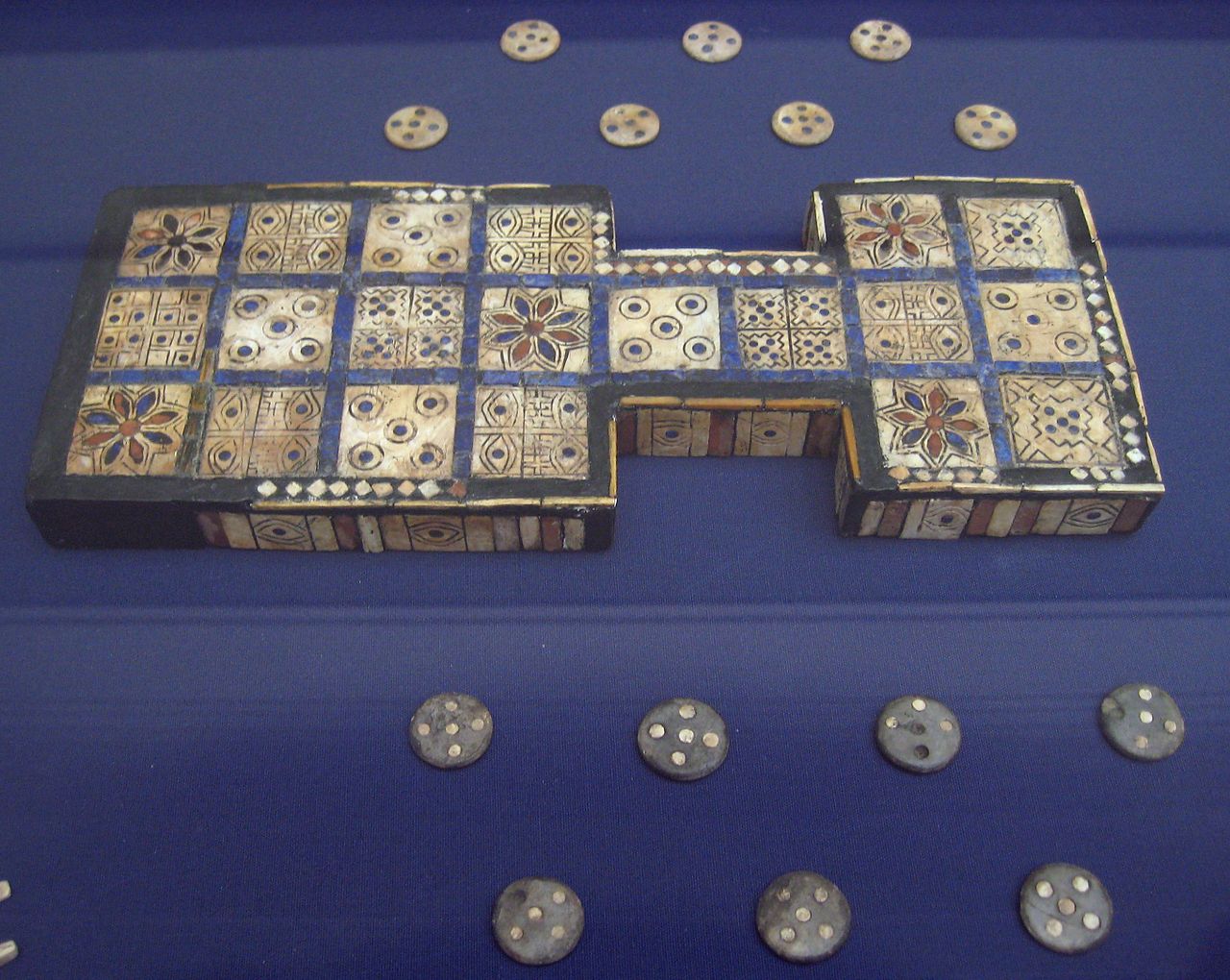
Moreover, understanding the golden age of board games, particularly the 1950s–1970s boom, provides valuable context about mass-market classics, innovations, and the influence of toy companies on gaming trends. Additionally, exploring ancient and medieval board games can shed light on how these lost games shaped history and continue to hold cultural significance today.
About David Parlett: Designer and Historian of Games
David Parlett is a highly influential figure in the world of games, known for his roles as a designer, historian, and author. He has made significant contributions to gaming literature with his comprehensive books The Oxford History of Board Games and The Oxford Guide to Card Games, which have established him as a leading expert on traditional games from various cultures.
In addition to his academic work, Parlett’s philosophy of game design focuses on creating elegant mechanics and deep strategic gameplay. His portfolio of creations includes:
- Hare and Tortoise (1974) – His most acclaimed design
- Asterix: The Card Game (1991)
- Ninety-Nine (1968) – A trick-taking card game
- Pot Black (1970) – A snooker simulation game
Parlett’s approach to designing games prioritizes crafting experiences that are easy to understand yet offer complex strategies. His background in medieval literature informs his design process, often incorporating historical elements and mathematical concepts into his games.
The success of Hare and Tortoise was a turning point in Parlett’s career, but he continued to push boundaries in game design while also documenting the history of gaming. His unique position as both a creator and historian has garnered him recognition from both the gaming industry and academic circles, with his works frequently referenced in studies of games and historical research.
Conclusion
Hare and Tortoise is a timeless game that combines strategic depth with family-friendly accessibility. Its innovative mechanics and thoughtful balance continue to captivate players decades after its groundbreaking Spiel des Jahres win.
Ready to experience this classic for yourself? The game offers a perfect entry point into the rich world of German-style board games. Its elegant carrot economy system and race mechanics create engaging gameplay sessions that feel fresh with each play.
The legacy of Hare and Tortoise lives on through subsequent Spiel des Jahres winners. From Catan to Wingspan, each winning title builds upon the foundation laid by Parlett’s masterpiece – prioritizing strategic choices, player interaction, and elegant mechanics.
Discover why this racing game has endured for generations. Whether you’re a casual gamer or dedicated enthusiast, Hare and Tortoise delivers an experience that showcases why German board games have become a global phenomenon.