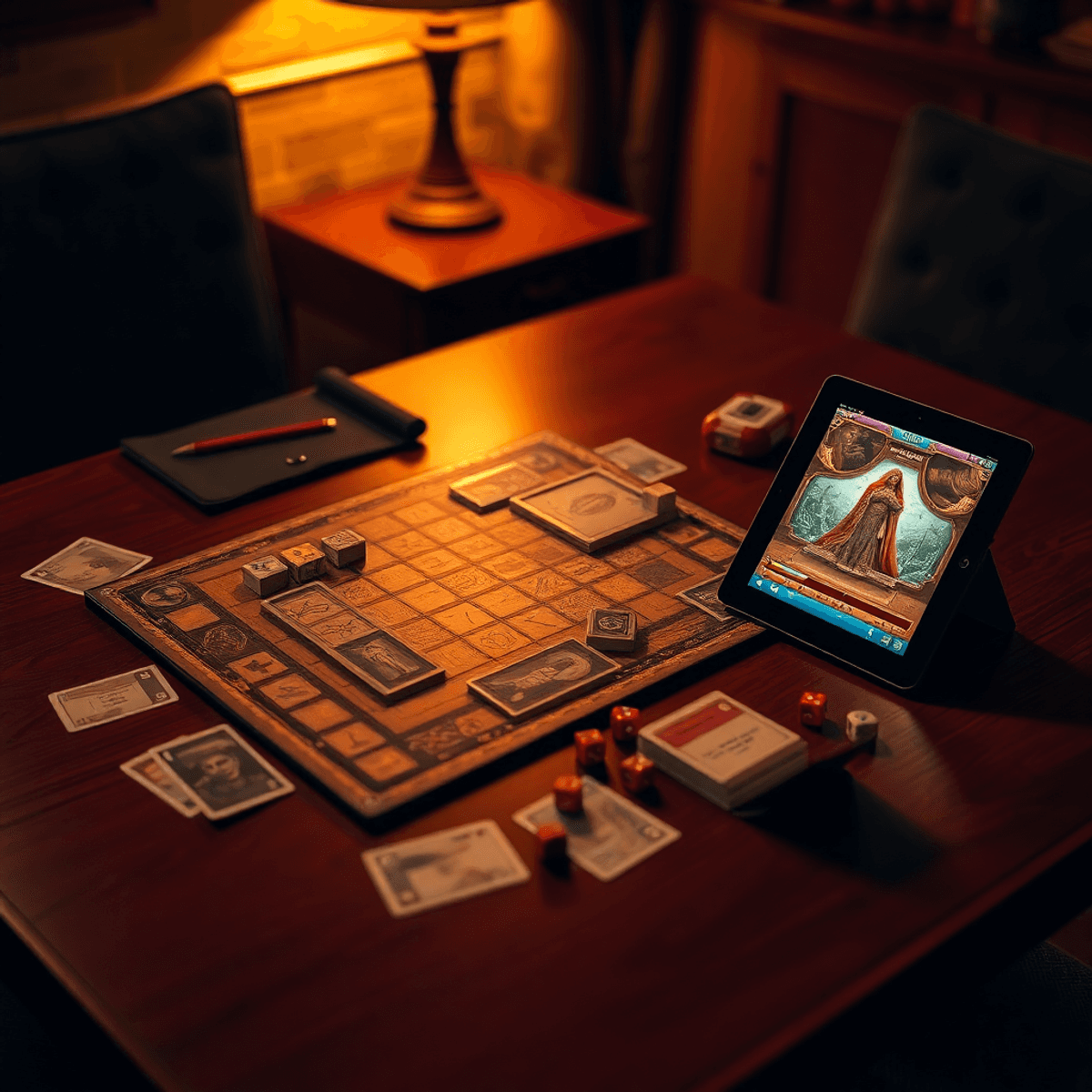
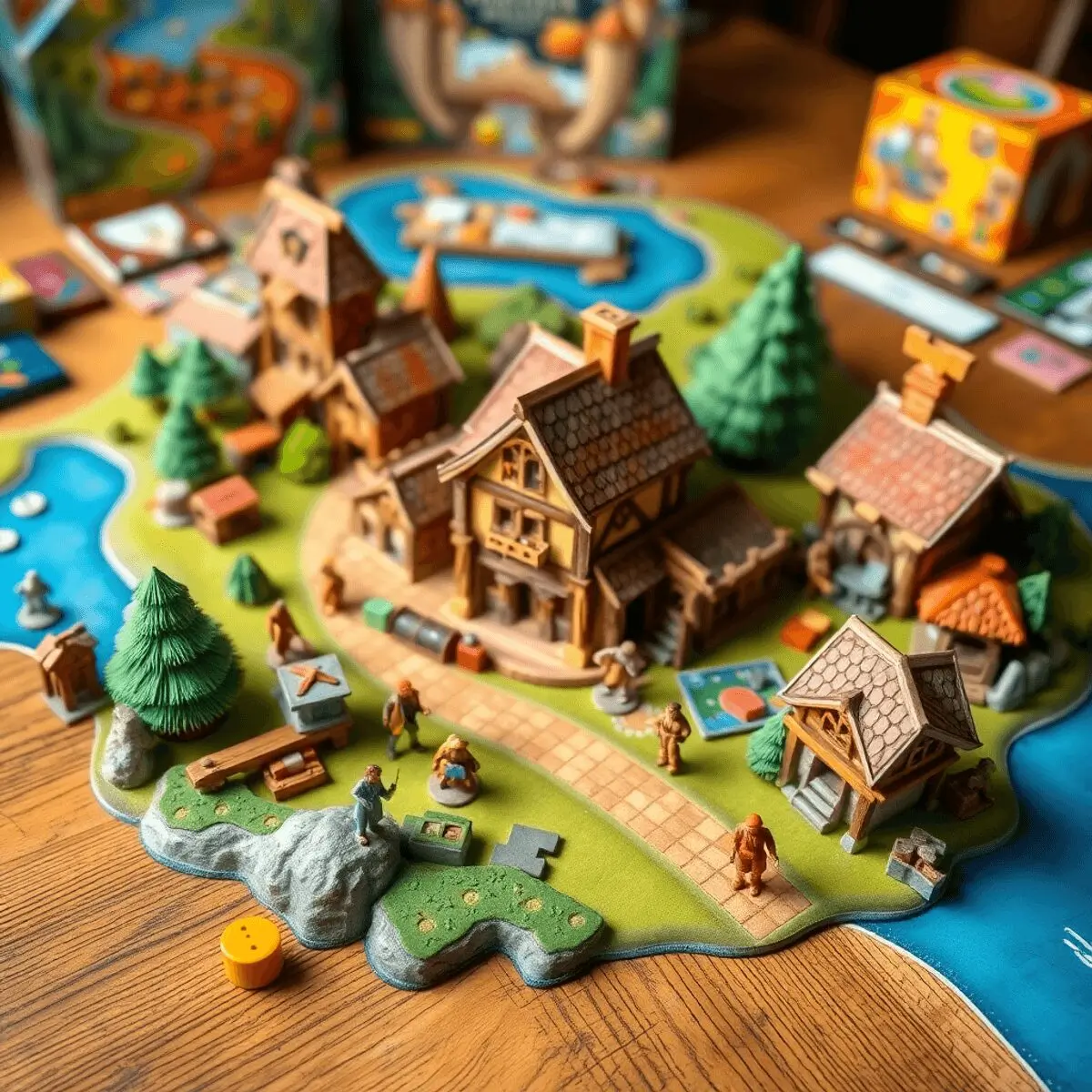
Imagine this: you’re gathered around a table with friends, excitement mounting as you slowly open a mysterious envelope that’s been waiting in your game box for weeks. These hidden envelopes in board games have the power to permanently alter your gameplay—introducing new rules, secret components, and plot twists that will shape every future session.
This is the wonder of legacy board games, a groundbreaking genre that defies traditional gaming norms. Unlike classic board games that start over after each session, legacy games evolve with permanent changes, crafting unique stories shaped by player choices.
How Hidden Envelopes Work
At the heart of this innovation lies a simple yet brilliant concept: hidden envelopes in board games. These sealed packets act as gateways to fresh content, unlocking only when players meet specific milestones or trigger key events. Each reveal deepens the narrative, introduces surprises, and sustains player engagement throughout the evolving game world.
Why Legacy Games Are Popular
The rise of story-driven board games has brought legacy titles into the limelight. Today’s gamers desire:
- Engaging narratives that unfold over multiple sessions
- Significant decisions that have lasting effects
- Tailored game experiences exclusive to their group
- The excitement of discovery and unexpectedness
Hidden envelopes turn regular game nights into unforgettable adventures, where every session holds the promise of thrilling surprises. They’re more than just storage for game pieces – they’re carriers of anticipation, intrigue, and collective joy that entice players to return for more.
However, it’s essential to understand that the legacy game genre is only one part of the vast universe of board games.
The Origins and Evolution of Legacy Games
Legacy game mechanics changed the tabletop gaming scene by introducing permanent changes that carry over from one game session to another. Unlike traditional board games where players start fresh after each game, legacy titles offer unique experiences shaped by player choices and accomplishments.
The Birth of Legacy Games
The groundbreaking Risk Legacy (2011) marked a crucial moment in board game history. Designer Rob Daviau transformed the classic Risk formula by adding sealed packets, hidden compartments, and permanent modifications to the game board. Players tore up cards, applied stickers, and wrote on the board – actions that were previously taboo in board gaming.
Rob Daviau’s Vision for Board Games
Daviau’s innovative design sparked a new era of tabletop gaming. His vision challenged the conventional belief that board games must stay the same:
“I wanted to create games that remember what happened, that tell stories through play, and that change based on what players do.” – Rob Daviau
The Impact of Risk Legacy
The success of Risk Legacy inspired a wave of innovative designs. Publishers embraced the legacy format, leading to critically acclaimed titles like:
- Pandemic Legacy – A disease-fighting campaign with dramatic story twists
- Gloomhaven – A massive dungeon-crawling saga with unlockable content
- Betrayal Legacy – A haunted house narrative spanning generations
These games expanded the legacy concept beyond simple modifications, incorporating rich storytelling elements and complex branching narratives. The genre continues to evolve with new mechanical innovations and creative applications of the legacy format.
This evolution is not just limited to legacy games but also includes the transformation of social and party board games, which have significantly influenced societal trends over time. Additionally, there has been a notable shift in deck-building and card-driven games, further diversifying the landscape of tabletop gaming.

What Are Hidden Envelopes in Legacy Games?
Hidden envelopes serve as mysterious treasure chests within legacy games, packed with game-changing elements waiting to be discovered. These sealed packages contain:
- New Game Components – miniatures, cards, tokens, or specialized dice
- Rule Modifications – additional mechanics or gameplay twists
- Story Elements – narrative chapters, character backgrounds, plot reveals
- Physical Alterations – stickers, board overlays, permanent markers
Take Zombie Kidz Evolution – players unlock envelopes filled with new zombie types, special powers, and mission objectives that transform their gaming experience. Each envelope reveals carefully crafted content designed to match the players’ growing mastery of the game.
These sealed surprises aren’t random rewards – they’re triggered by specific achievements:
- Winning a certain number of games
- Reaching particular story milestones
- Completing special challenges or missions
- Meeting hidden objectives
The physical nature of these unlockables creates tangible excitement at the gaming table. When players tear open an envelope, they’re not just revealing new content – they’re permanently altering their game’s DNA. Stickers might be applied to the board, rules could be crossed out or amended, and components might be destroyed or permanently modified.
This system of progressive unlocks ensures players master existing mechanics before facing new challenges. Each envelope represents a calculated step in the game’s evolution, carefully designed to maintain engagement while gradually increasing complexity.
How Hidden Envelopes Enhance Story-Driven Board Games
Hidden envelopes transform static board games into dynamic storytelling experiences. In Pandemic Legacy: Season 1, each envelope unveiling brings dramatic plot twists that reshape the game’s narrative. Players discover new diseases, uncover conspiracies, and face escalating challenges that feel like episodes in a gripping TV series.
The physical act of opening these sealed packets creates powerful emotional moments:
- Shared Anticipation: Players gather around the table, hearts racing as they break the seal on a new envelope
- Collective Gasps: The group experiences simultaneous reactions to shocking revelations
- Strategic Discussions: Teams immediately begin planning how to adapt to new story developments
Building Personalized Narratives
Games like Charterstone use envelope reveals to build a rich, branching narrative where player choices directly impact the story’s direction. Each unsealed package adds new characters, locations, and plot threads that weave together into a personalized chronicle of their unique game world.
This storytelling approach breaks free from traditional board game limitations. Rather than replaying the same static scenario, players unlock an evolving narrative that responds to their actions. The hidden envelope system creates natural story beats, maintaining suspense while delivering satisfying plot progression that keeps players invested in their shared adventure.
Betrayal Legacy exemplifies this by using envelope reveals to gradually uncover a haunted house’s dark history across multiple generations of characters. Each game session adds new layers to an intricate horror story that players actively help create through their choices and discoveries.
However, it’s not just the modern games that have utilized such innovative storytelling methods. Throughout history, board games have evolved significantly, with various styles and formats emerging over time. An exploration into the history of obscure and vanished board games reveals fascinating insights into the cultural significance and notable examples from the past.
Moreover, understanding the journey of classic board games provides context for how these games have influenced modern gaming trends. This evolution can be traced back to what is often referred to as the golden age of board games, a period in the mid-20th century when board gaming experienced a significant boom.
Even further back, exploring ancient and medieval board games can shed light on the rich history of these games from various cultures such as Egypt, Mesopotamia, China, and Rome. Such insights not only enhance our understanding of modern board games but also highlight the enduring impact these ancient games have had on society today.
Impact on Gameplay Strategy and Replayability
Hidden envelopes transform legacy games into dynamic experiences where each session builds upon previous gameplay decisions. Gloomhaven exemplifies this evolution through sealed envelopes that unlock new character classes, forcing players to adapt their party composition and tactical approaches. When players retire their starting characters, they break seals to discover entirely new playstyles and abilities.
The permanent alterations create unique game states that demand strategic flexibility. In Clank! Legacy, players might unlock envelopes containing cards that permanently modify the deck or add stickers to specific board locations. These changes ripple through subsequent sessions, creating distinct pathways and opportunities that didn’t exist in earlier games.
Legacy games balance permanent modifications with elements that encourage experimentation:
- Temporary Power-Ups: Cards or abilities that last a single session
- Branching Paths: Multiple envelope options based on player choices
- Achievement Systems: Rewards for trying different strategies, which are often discussed in forums like this Reddit thread.
The gradual unveiling of content creates natural progression curves. Players master basic mechanics before encountering new challenges hidden within sealed envelopes. This staged complexity maintains engagement as groups discover fresh content through multiple play sessions, significantly enhancing replayability.
A single envelope might introduce:
- New victory conditions
- Additional enemy types
- Modified game board sections
- Enhanced player abilities
These revelations create memorable moments while ensuring each playthrough offers unique strategic decisions shaped by previous sessions’ discoveries. The design of these games often involves strategies aimed at extending gameplay value, further increasing their appeal and longevity.
Examples of Popular Legacy Games Featuring Hidden Envelopes
Let’s explore three groundbreaking legacy games that masterfully use hidden envelopes to create unforgettable gaming experiences:
1. Risk Legacy
The game that started it all sits at an impressive 7.4/10 on BoardGameGeek. Players discover 15 sealed envelopes throughout their campaign, each dramatically altering the world map. One memorable reveal introduces nuclear weapons, permanently destroying entire territories and leaving them uninhabitable for future games. This game is a prime example of how strategy board games have evolved, incorporating elements that reshape gameplay and strategy.

2. Pandemic Legacy: Season 1
Ranked #2 all-time on BoardGameGeek (8.6/10), this cooperative masterpiece uses hidden envelopes to unleash new diseases and challenges. A particularly shocking envelope reveal transforms the game’s core mechanics when [REDACTED] begins affecting major cities, forcing players to completely rethink their established strategies. The success of this game also highlights the evolution of action selection in board games, a concept explored in depth here.
3. Zombie Kidz Evolution
This family-friendly legacy game (8.2/10 on BoardGameGeek) cleverly uses 13 sealed envelopes to introduce new zombie types and special powers. Young players light up with excitement when unlocking the “Mystery Box” envelope, which adds a thrilling new way to defeat zombies using secret weapons.
4. Betrayal Legacy
With a solid 7.7/10 rating, this haunted house adventure spans generations of family history. Each envelope opening builds the mansion’s dark past, with one notable reveal adding ancestral artifacts that carry both powerful benefits and terrible curses between games.
These hidden envelopes serve as physical manifestations of anticipation, creating shared moments of discovery that bind gaming groups together through their collective journey. This unique aspect is a hallmark of legacy campaign-based board games, which redefine gameplay and player interaction in unprecedented ways.
Psychological Effects: Suspense and Anticipation in Game Design
The allure of sealed envelopes in legacy games taps into fundamental psychological principles that keep players engaged and excited. This mechanic creates what psychologists call “information gaps” – the space between what we know and what we want to know drives curiosity and motivation.
Game designer Rob Daviau, a notable figure among famous board game designers known for his innovative contributions to the gaming industry, describes this phenomenon as “engineered anticipation.” Here, the physical presence of unopened envelopes creates a tangible mystery that players can see and touch but not yet explore. This visible-yet-inaccessible content generates a powerful psychological pull, similar to wrapped presents waiting to be opened.
The social dynamics of shared discovery amplify these psychological effects:
- Group Speculation – Players naturally form theories about envelope contents, creating engaging table talk
- Collective Anticipation – The shared experience of waiting and wondering builds stronger group bonds
- Delayed Gratification – The wait between envelope reveals makes each discovery more meaningful
Research in game design psychology shows that intermittent rewards – like envelope reveals – trigger dopamine responses more effectively than predictable ones. Legacy game designers leverage this by carefully spacing out envelope triggers, maintaining an optimal balance between challenge and reward.
The physical act of opening envelopes creates memorable “milestone moments” that players discuss long after the game ends. These shared experiences transform individual anticipation into collective excitement, strengthening the social bonds between players.
Moreover, this suspenseful element can be seen in other aspects of board games, such as tile placement and modular game design, where strategic decisions create a sense of anticipation and uncertainty about future moves.
Practical Tips for Players and Game Groups Using Hidden Envelopes
Getting the most out of legacy games requires careful handling of sealed content and thoughtful group coordination. Here’s how to maximize your legacy gaming experience:
Preserving the Mystery
- Store sealed envelopes in a dedicated box compartment away from regular game components
- Resist the urge to peek at envelope contents – accidental reveals can’t be undone
- Assign one player as the “envelope keeper” responsible for proper storage and timely reveals
Documenting Game Changes
- Keep a dedicated notebook or digital log for tracking unlocked content
- Take photos of the game state after significant changes
- Create a checklist of triggered conditions and opened envelopes
- Use sticky notes to mark modified rules in the rulebook
Maintaining Group Consistency
- Schedule regular gaming sessions to maintain campaign momentum
- Create a shared calendar for tracking game progress
- Use messaging apps for coordinating sessions and discussing strategies
Embracing the Legacy Mindset
- Accept that permanent changes are part of the intended experience
- View modifications as creating your unique version of the game
- Think of each session as a chapter in an unfolding story
- Consider recording key moments through photos or session reports
Between-Session Management
- Label game boxes clearly with current progress status
- Store modified components separately from unused ones
- Keep a “save file” noting where your group left off
- Create an inventory of remaining sealed content
In addition to these tips, it’s essential to be prepared for any unexpected situations that may arise during your gaming sessions. For instance, understanding how to support child and student social-emotional behavioral mental health can be beneficial if any player experiences emotional distress due to in-game events. Moreover, having a quick reference guide can help manage any emergencies that could disrupt your gaming schedule.
Finally, just like in real life, it’s crucial to maintain a balance between gaming and other responsibilities. The SAMHSA’s guidelines on managing such balances can provide valuable insights.
Conclusion
Hidden envelopes in board games, especially in legacy formats, represent a revolutionary leap in design. These sealed surprises transform otherwise static gameplay into a dynamic and evolving experience—one that captures imagination and creates lasting memories with every reveal.
The magic of discovering what lies within each envelope brings groups together, sparking excitement and discussion that extends far beyond game night. From Risk Legacy to modern classics like Pandemic Legacy, these innovative mechanics have redefined what board games can achieve.
Ready to embark on your own legacy adventure? Consider these top-rated titles:
- Pandemic Legacy – A thrilling campaign of global crisis management
- Gloomhaven – Epic fantasy storytelling through sealed content
- Clank! Legacy – Deck-building meets narrative discovery
The future of tabletop gaming is rooted in immersive, story-driven experiences—and hidden envelopes in board games play a major role in that evolution. Every sealed envelope holds the promise of new possibilities, challenging decisions, and unforgettable moments. Dive into legacy gaming, and discover the next chapter of your gaming journey hidden within an envelope.