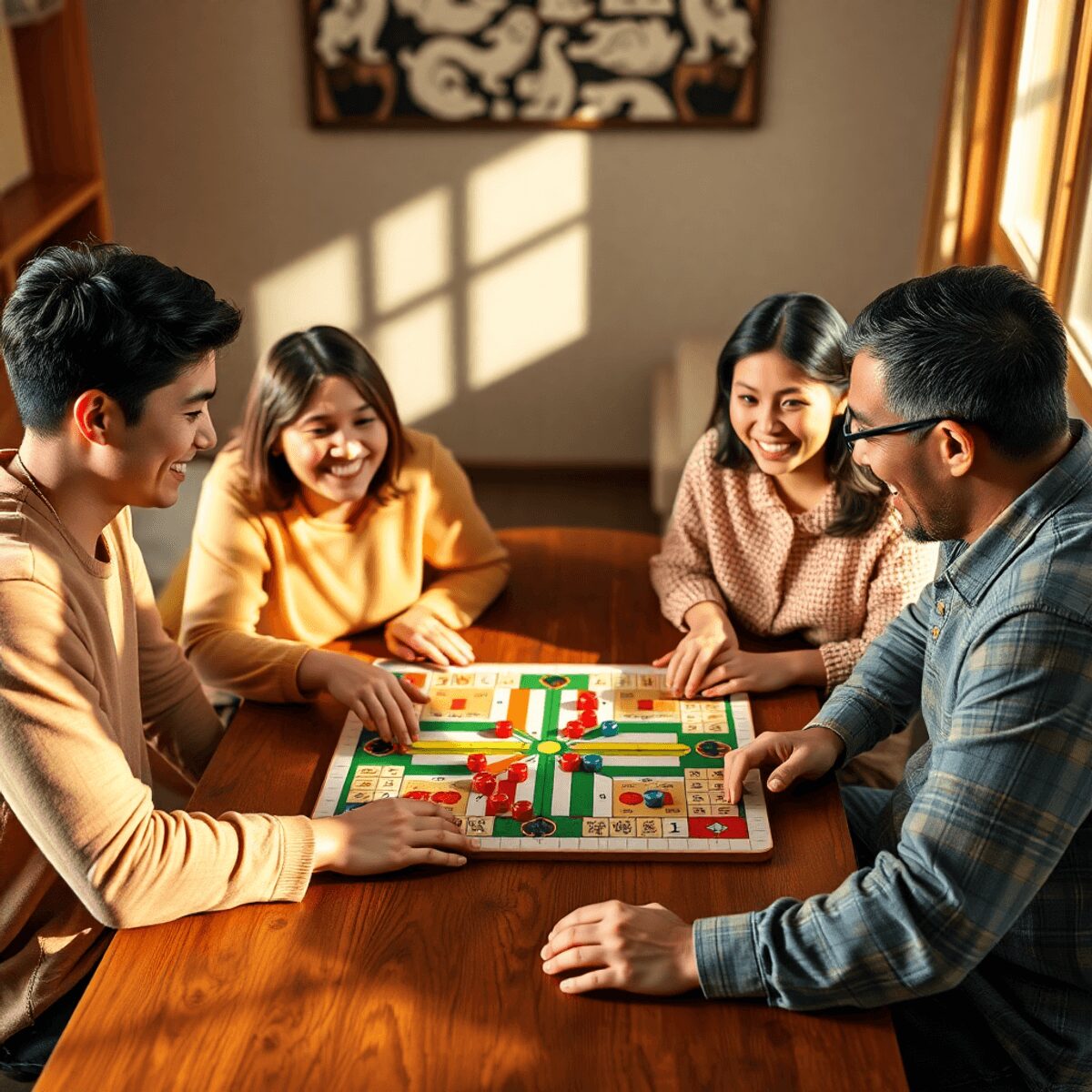
Imagine a rainy afternoon, with four players gathered around a vibrant board, eagerly holding their dice. This familiar scene is part of the enduring legacy of the Ludo board game. Rooted in centuries of cultural tradition, Ludo board game history traces back to ancient India, evolving into a beloved pastime enjoyed by families around the world.
The Evolution of Ludo
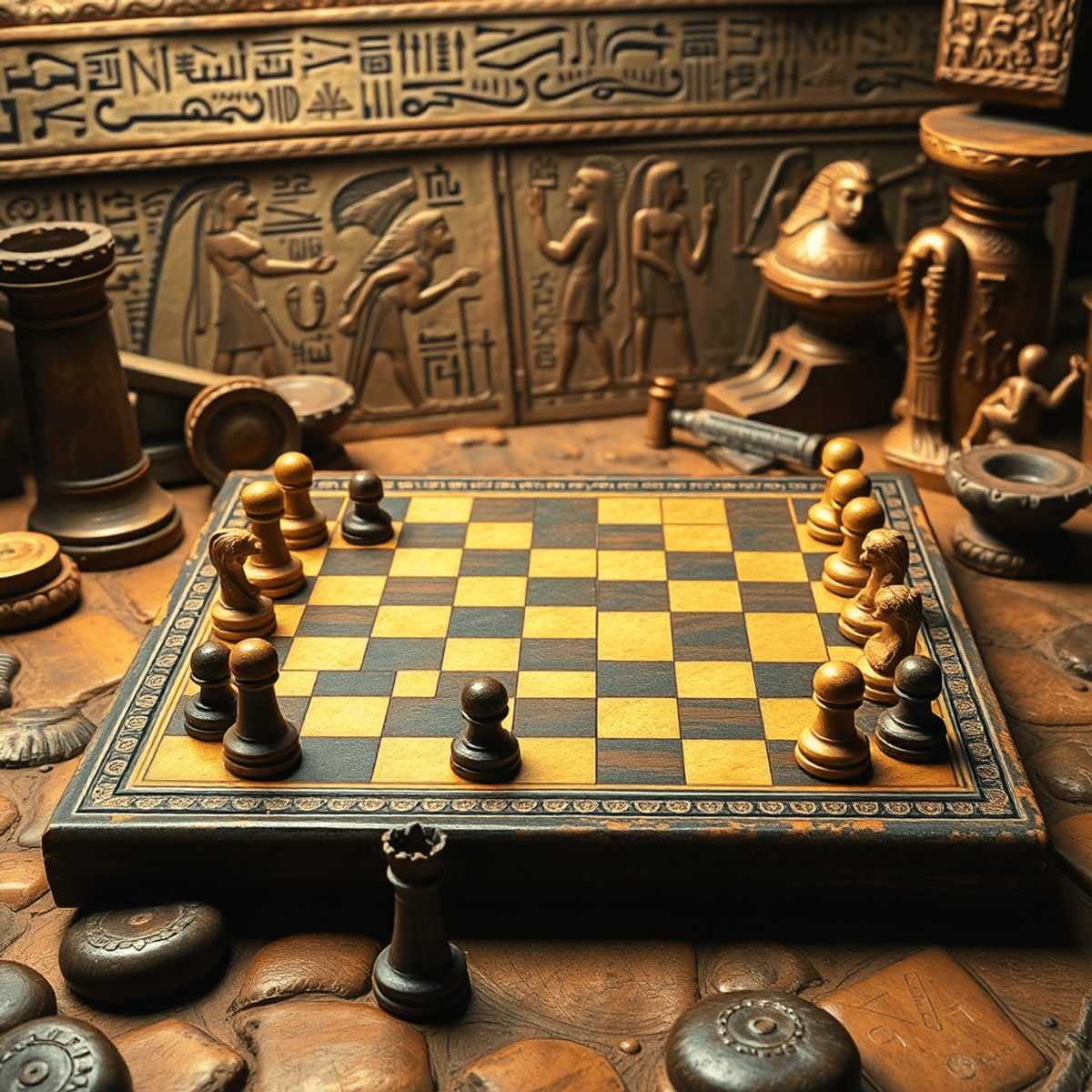
Ludo’s story is one of transformation and adaptation. It traces its roots back to ancient India, where it was known as Pachisi, played on cloth boards with cowrie shells. Over time, this simple yet captivating game underwent changes, evolving into the structured, cross-shaped board we recognize today.
To delve deeper into this evolution, you can explore the fascinating journey of classic board games, which includes insights into Ludo’s origins.

The Enduring Appeal of Ludo
What makes Ludo such a cherished family pastime? Here are a few possibilities:
- The ideal combination of chance and strategy that keeps players coming back for “just one more game.”
- The universal charm that transcends age, language, and cultural boundaries.
- The exhilarating moments when your token is just spaces away from home, with an opponent lurking nearby.
Questions About Human Nature and Play
The game’s lasting popularity raises intriguing questions about human nature and our relationship with play:
- How has this ancient Indian game retained its hold on our imagination in an age dominated by digital entertainment?
- Why do grandparents continue to teach their grandchildren the same moves they learned decades ago?
The Ancient Origins: From Pachisi to Ludo
In ancient India, a game called Pachisi was created, which later evolved into the modern game of Ludo. Pachisi originated in the 6th century CE and has since influenced family entertainment across different cultures and generations.
The Birth of Pachisi
Pachisi boards were originally made from embroidered cloth and had a unique cross-shaped design representing the four cardinal directions. Instead of traditional dice, players used cowrie shells to determine their moves, adding an element of unpredictability to the game. This combination of shells and wooden pawns created a one-of-a-kind gaming experience that appealed to people from all walks of life.
The Mughal Empire’s Influence
During the Mughal Empire, Pachisi gained immense popularity and significance. Emperor Akbar took the game to new heights by transforming it into a grand spectacle. He constructed massive courts where actual individuals acted as game pieces, showcasing both his authority and the game’s esteemed position in Indian society.
Pachisi in Mythology
Pachisi also holds a special place in Indian mythology, as depicted in ancient tales like the Mahabharata. These stories narrate how legendary heroes staked entire kingdoms and fortunes on their games, solidifying Pachisi’s importance in Indian culture.
Global Adaptations
The appeal of Pachisi extended beyond India, inspiring various adaptations around the world:
- Spain: Parcheesi
- England: Ludo
- Germany: Mensch ärgere Dich nicht
- China: Aeroplane Chess
Each country incorporated its own rules and customs while preserving the fundamental aspects that made Pachisi captivating: strategy, luck, and the excitement of moving pieces around the board.
This evolution of Pachisi is part of a broader story involving ancient and medieval board games that have influenced history and continue to shape contemporary gaming.
Furthermore, these games have been designed by renowned board game creators whose groundbreaking works have made a significant impact on the gaming industry.

The Birth of Modern Ludo: Alfred Collier’s Innovation
The modern Ludo we know today emerged from a groundbreaking patent filed by Alfred Collier in England in 1896. His creation, “Royal Ludo,” transformed the traditional Indian game into a standardized board game accessible to Victorian families.
Key Features of Collier’s Design
Collier’s innovative design introduced several key features:
- A square board with distinctive cross-shaped pathways
- Color-coded sections for up to four players
- Simplified movement rules based on single die rolls
- The signature “roll-of-six” entry requirement
The genius of Collier’s design lay in its simplicity. By streamlining Pachisi’s complex rules and creating a structured board layout, he made the game approachable for players of all ages while retaining its strategic elements.
Global Spread and Commercial Success
His patent rights proved instrumental in Ludo’s global spread. Licensed manufacturers produced official Collier boards, complete with standardized rule leaflets translated into multiple languages. These mass-produced sets made their way into homes across:
- British colonies
- European markets
- North American households
- Australian territories
The commercial success of Royal Ludo sparked a board game revolution. Toy companies rushed to secure manufacturing licenses, leading to widespread distribution through department stores and toy shops. The game’s popularity soared as families embraced its perfect blend of chance and strategy.
Legacy and Influence
Collier’s standardized rules became the blueprint for modern Ludo, establishing conventions still followed today. However, it’s essential to acknowledge that forgotten predecessors like Pachisi also played a crucial role in shaping the mechanics and themes of modern board games. His vision of creating an accessible family game succeeded beyond expectations, laying the foundation for Ludo’s enduring presence in homes worldwide.
Understanding Ludo Rules: A Blend of Luck and Strategy
At its heart, Ludo captivates players through a perfect balance of chance and tactical decision-making. Each player commands four tokens of the same color, racing them clockwise around the board toward their home column.
Basic Rules:
- Roll a six to release tokens from the starting yard
- Move tokens the exact number of spaces shown on the dice
- Land on an opponent’s token to send it back to start
- Reach home column by exact count to secure tokens
The game’s strategic depth emerges through critical decisions:
- Which token to move when multiple options exist
- When to split moves between different tokens
- Whether to pursue aggressive captures or defensive positioning
Safe squares marked with stars protect tokens from capture, creating tactical safe zones. Players must carefully time their movements between these havens while watching for opportunities to block or capture opponents.
Picture this: Your last token sits just spaces away from home. The dice shows exactly what you need – but an opponent’s piece blocks the path. The tension builds as you weigh risking a different token to clear the way or waiting for another perfect roll.
The social dynamics shine through these moments of competition. A lucky roll can spark playful rivalry, while strategic plays demonstrate skill. Players learn to read opponents’ intentions, anticipate moves, and adapt their strategy based on others’ positions.
This combination of luck-based mechanics with room for skillful play makes Ludo accessible to new players while rewarding experience. Young children can participate through simple dice rolling and counting, as adults simultaneously engage in deeper strategic planning.
However, it’s interesting to compare this with other games like Battleships which tends to lean more towards strategy than luck. Is the board game Battleships more about strategy or luck? Such comparisons highlight how different games can emphasize varying aspects of gameplay, providing unique experiences in each case.
In addition, games like Ludo and Battleships also share some common ground with other strategic board games such as Lines of Action, which further blend elements of luck and strategy in their gameplay mechanics.

Global Variants and Cultural Adaptations of Pachisi & Ludo
The journey of Pachisi across continents sparked unique cultural interpretations while maintaining its captivating essence. Each region embraced the game, adding distinctive touches that reflect local traditions and preferences.
Spain: Parcheesi
Spain’s Parcheesi transformed the game into a household name with its vibrant board designs and modified rules. Spanish families often play with stricter blocking regulations, creating intense strategic battles between players.
British Naval Tradition: Uckers
British Naval Tradition – Uckers adapted Ludo for maritime life. Sailors developed their own terminology:
- “Blob” for multiple pieces occupying the same square
- “Blitzkrieg” for aggressive gameplay styles
- “Pricking” when capturing opponent pieces
Sweden: Fia
The Swedish variant Fia introduced weather-resistant materials for outdoor play, perfect for Nordic summer gatherings. Its name derives from “först i mål” (first to goal), emphasizing the race-like nature of the game.
Vietnam: Cờ cá ngựa
In Vietnam, Cờ cá ngựa (Horse Racing Chess) reimagined the game with horse-themed pieces and modified movement patterns. Players use specialized dice marked with Vietnamese characters, adding cultural authenticity to family game nights.
Digital Age: Connecting Variants
The digital age brought these variants together through mobile apps and online platforms. Popular applications like Ludo King and Parcheesi Star connect players globally, offering:
- Multiple board themes inspired by different cultures
- Cross-cultural gameplay options
- Real-time matches with players worldwide
- Traditional rule sets from various regions
These digital adaptations preserve local gameplay elements while creating a shared space for cultural exchange through play.
Why Has Ludo Remained a Family Favorite? Exploring Its Popularity Today
Ludo has remained a family favorite for several reasons:
- Accessibility and engagement: Ludo’s simple rules make it easy for players of all ages, including young children, to join in and play with adults. This creates an opportunity for families to spend quality time together and enjoy each other’s company.
- Strengthening family bonds: Research from Psychology Today shows that board games like Ludo can strengthen family relationships through activities such as face-to-face interaction, shared emotional experiences, development of social skills, and the creation of lasting memories.
- Balance of luck and strategy: Ludo strikes a perfect balance between luck and strategy, keeping players interested without overwhelming them. The outcome of each game can be influenced by a roll of the dice, which adds an element of surprise and excitement.
- Cultural significance: Ludo holds cultural significance as parents who grew up playing the game with their families now introduce it to their children. This creates a cycle of cherished traditions and shared experiences that further contributes to its popularity.
- Digital accessibility: The rise of mobile apps and online platforms has made Ludo easily accessible to millions of people around the world. Families separated by distance can now connect through virtual Ludo sessions, reinforcing the game’s status as a social activity.
- Universal appeal: Ludo’s charm transcends cultural boundaries. Whether played on a physical board or through smartphones, the game brings joy, competition, and connection to players across different backgrounds.
These factors combined explain why Ludo continues to be loved by families today.
Conclusion
Ludo’s journey from ancient Indian courts to modern digital platforms tells a remarkable story of cultural connection and timeless entertainment. The next time you gather around a Ludo board, take a moment to appreciate how this simple cross-shaped game has united families across centuries and continents.
Your own Ludo memories — whether playing with grandparents on lazy Sunday afternoons or engaging in fierce competitions with siblings — are part of the larger Ludo board game history. These shared moments echo scenes from around the world, from traditional Pachisi games in India to Parcheesi tournaments in Spain, proving Ludo’s timeless place in global culture.
If you’re interested in exploring more traditional games, consider trying:
- Mancala – An ancient African stone-moving strategy game
- Nine Men’s Morris – A classic board game dating back to the Roman Empire
- Carrom – A striking disk game popular across South Asia
- Go – The oldest continuously played board game in the world
These culturally rich games offer the same timeless ingredients that made Ludo a global phenomenon: simple rules, deep strategy, and the power to bring people together. This is reminiscent of the golden age of board games, which shaped modern gaming trends and introduced mass-market classics. Moreover, the evolution of strategy board games, like Ludo, can be traced back through history, reflecting how conflict and strategy shaped gaming history. As we look towards the future, it’s fascinating to consider how some games are evolving into legacy and campaign-based formats, a trend that is redefining gameplay as explored in this article about legacy campaign-based board games.