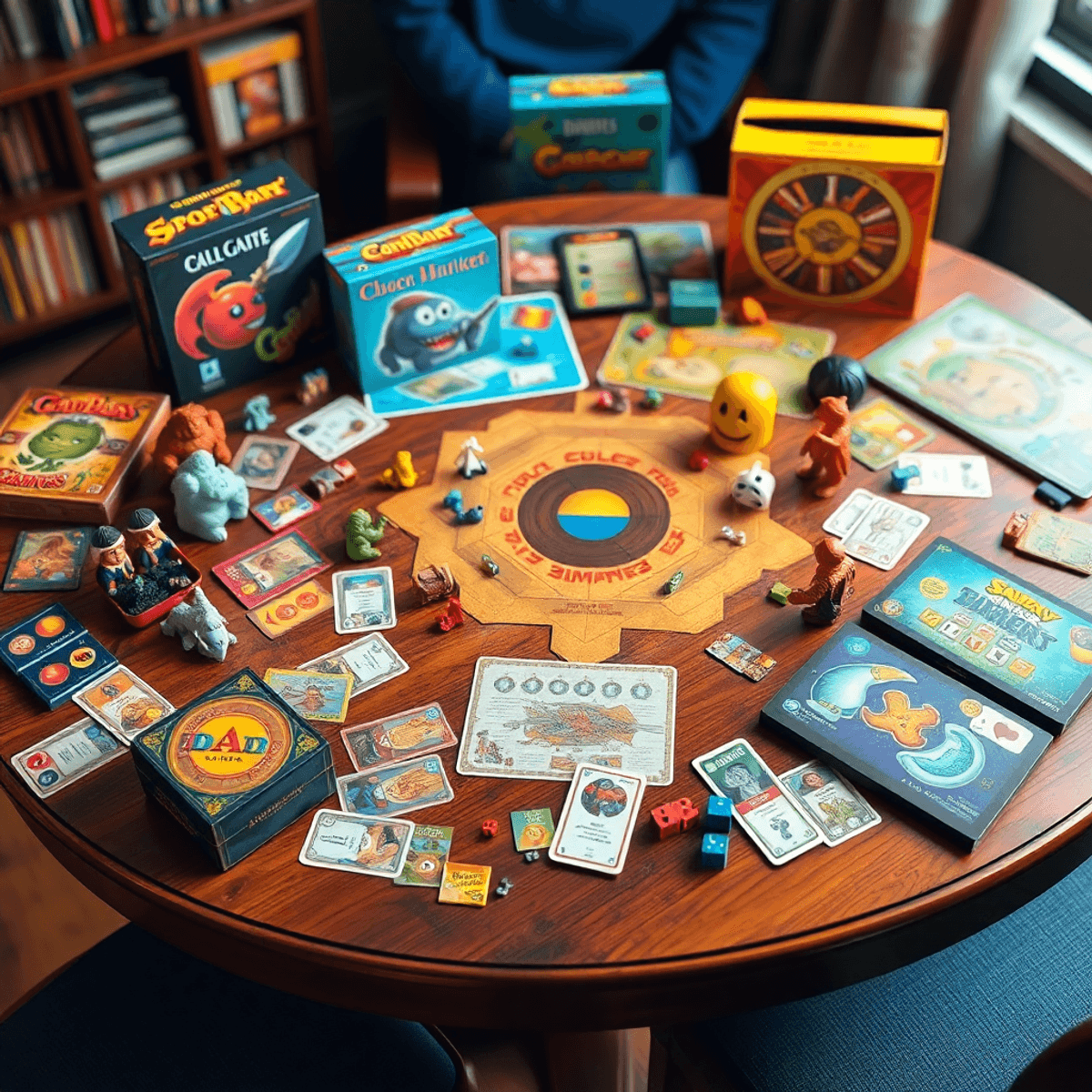
Board games have surged in popularity, transforming from simple pastimes into a dynamic, inclusive hobby that connects people of all ages. This tabletop renaissance has introduced a vast array of titles, making it easy to feel overwhelmed. That’s why exploring the best board games for beginners is a great place to start your journey.
This tabletop renaissance has introduced countless new games, yet finding the perfect easy-to-learn board games can feel daunting for newcomers.
The best board games for beginners share essential qualities that make them inviting and enjoyable:
- Simple, intuitive rules that can be learned in minutes
- Engaging gameplay that keeps players invested
- Strategic choices that matter without overwhelming complexity
- Clear paths to victory that reward smart decisions
These beginner-friendly games serve as perfect stepping stones into the wonderful world of modern board gaming. They build confidence through accessible mechanics while creating lasting memories around the table. Whether you’re planning a family game night or seeking a new hobby, these games spark joy and foster connection through shared experiences.
Rediscover the Joy of Your First Game
Think back to your first unforgettable board game experience—the excitement of learning something new, the joy of a clever move, the thrill of a hard-earned win. What if you could capture that magic again with today’s beautifully crafted and accessible games? Let’s explore some of the best board games for beginners, offering easy rules, engaging gameplay, and enough depth to keep you coming back for more.
To truly appreciate the evolution of these games, it’s essential to understand their history. From ancient times to the medieval period, board games have shaped history, influencing cultures and societies across the globe. The journey of classic board games is also fascinating; they have undergone significant changes over time, as explored in this comprehensive article about the timeless journey of classic board games.
Moreover, many modern classics owe their success to forgotten predecessors which laid the groundwork for current gaming trends. There’s also an intriguing narrative about how social and party board games have evolved over time and their impact on society.
As we delve deeper into this exploration, we will uncover some exceptional easy-to-learn board games while appreciating their rich history and evolution.
What Makes a Board Game Beginner-Friendly?
The best board games for beginners succeed because they strike a perfect balance between accessibility and engagement. They often include:
Clear Rules and Quick Setup
- Rulebooks under 4 pages with clear examples
- Setup time under 5 minutes
- Intuitive mechanics that mirror real-world actions
- Visual aids and player reference cards
Manageable Game Length
- 15-30 minute playtime for first games
- Natural stopping points for longer sessions
- Quick turns to maintain player engagement
- Limited analysis paralysis through straightforward choices
Strategic Depth Through Simple Mechanics
- Basic actions leading to meaningful decisions
- Multiple paths to victory
- Scalable complexity as players improve
- Rewarding gameplay without overwhelming options
Player-Friendly Features
- 2-6 player flexibility
- Solo mode options for practice
- Minimal downtime between turns
- Clear scoring systems
Leading game designers emphasize the importance of immediate gratification in beginner games. As noted on BoardGameGeek, successful entry-level games provide “small victories” throughout play, keeping new players invested while they learn deeper strategies.
The best beginner games also feature catch-up mechanics – ways for trailing players to remain competitive. This prevents early mistakes from determining the entire game outcome, allowing new players to learn and adjust their strategy as they play.

Classic Gateway Board Games for New Players
Gateway board games serve as perfect stepping stones into the wider world of tabletop gaming. These time-tested classics blend simple rules with engaging gameplay, creating memorable experiences for new players.
1. Ticket to Ride
Ticket to Ride puts you in charge of building train routes across various maps. Players collect colored cards to claim railway connections between cities, racing to complete secret destination tickets. The satisfaction of connecting San Francisco to New York with your carefully planned network captures the essence of strategic planning without overwhelming complexity.
2. Carcassonne
Carcassonne brings medieval France to life through tile placement. Each turn presents a new opportunity as players draw and place tiles featuring cities, roads, monasteries, and fields. Placing your followers – affectionately called “meeples” – on incomplete features creates exciting moments of anticipation. Will you complete that massive city before your opponent claims a share of the points?
3. Catan
Catan stands as a masterclass in player interaction. Rolling dice for resources, building settlements, and negotiating trades create natural player engagement. The excitement of expanding your settlement into a city, or the disappointment of the robber stealing your carefully hoarded resources, delivers memorable gaming moments that hook new players.

These gateway games share a crucial quality: they teach core gaming concepts through intuitive mechanics. Each turn presents clear choices while maintaining enough depth to reward repeated plays and developing strategies.
Moreover, some gateway games also introduce players to deck-building and card-driven mechanics, which have a rich history and evolution in the gaming industry.
Easy-to-Learn Strategy Games That Offer Growth Potential
Ready to dive deeper into strategic gameplay without getting overwhelmed? These mid-weight games offer the perfect balance of accessibility and tactical depth.
1. Azul
Azul brings the beauty of Portuguese tiles to life through elegant mechanics. Players draft colorful tiles to create stunning patterns on their personal boards. The rules take mere minutes to learn: select tiles, place them according to simple patterns, score points. Yet each game reveals new layers of strategy – from denying opponents crucial pieces to planning multiple turns ahead. This game also exemplifies the rich history of tile placement and modular game design, a key aspect in many modern board games.
2. Kingdomino
Kingdomino reimagines the classic domino concept with a royal twist. Build your kingdom by connecting terrain tiles featuring different landscapes, from wheat fields to sparkling mines. The genius lies in its scoring system: multiply connected territories by their crown symbols. This creates engaging decisions about tile placement while keeping the core mechanics straightforward and intuitive.
3. Splendor
Splendor puts players in the role of Renaissance merchants building their gem trading empires. Start with basic gem tokens to purchase cards, which then provide permanent resources for future purchases. This engine-building mechanic teaches valuable gaming concepts:
- Resource management
- Long-term planning
- Strategic card selection
- Building efficient combinations
The beauty of these games lies in their scalability – new players can focus on basic strategies while experienced gamers discover deeper tactical possibilities. Their short playtimes and clear rulebooks make them perfect stepping stones toward more complex strategy games.
Speaking of strategy, these games are part of a larger history and evolution that has shaped modern gaming culture, including the rise of Eurogames and strategy board games. As we explore this evolution further, it’s fascinating to see how elements like [dice randomization](https://tabletoptrove.com/the-evolution-of-dice-from-bones-to-modern-rolls) have influenced gameplay and strategy in board games over time.
Moreover, understanding the cultural impact of pastimes like Victorian board games can provide insight into current trends in social leisure and mass production within the gaming industry.
Cooperative and Social Family Board Games for Adults New to Gaming
Board game nights shine brightest when everyone works together or engages in friendly social interaction. These picks create the perfect environment for new players to learn and connect:
Cooperative Games
- Pandemic: Players unite as disease control specialists with clear objectives of treating diseases and discovering cures. Shared decision-making builds confidence, and no player elimination keeps everyone engaged while simple actions have a meaningful impact.
Social Games
- Wavelength: Teams collaborate to place a dial in the right spot, sparking natural discussion and debate. The learning curve takes minutes, not hours, making it flexible for 2-12 players and creating memorable moments through shared experiences.
- Bohnanza: This quirky bean-farming themed game breaks the ice with trading mechanics that encourage player interaction. There are no complex rules to memorize, allowing for a natural flow of play through card management where success depends on social skills rather than game expertise.
Pandemic: Cooperative Play for a Stress-Free Start
These games excel at bringing people together through shared goals and social interaction. The cooperative nature of Pandemic removes competitive pressure, letting new players focus on learning strategy. Wavelength turns every round into a conversation starter, while Bohnanza’s trading mechanics create natural opportunities for players to interact and negotiate.
Each game features straightforward mechanics that new players can grasp quickly while offering enough depth to keep everyone invested. The social aspects help create a welcoming atmosphere where learning the rules becomes part of the fun rather than a barrier to entry.
If you’re interested in exploring beyond these popular titles, there are unique board games from around the world that offer diverse cultural experiences and gameplay styles. Additionally, understanding the influence of famous board game designers could provide insights into the evolution of board games. For those intrigued by the historical aspect of gaming, delving into the history of obscure and vanished board games can be quite fascinating. Finally, mastering strategies like worker placement can significantly enhance your gaming experience.
However, if you’re feeling overwhelmed by the vast world of board games and unsure about where to start or how to navigate through different genres, there are communities such as Reddit’s r/boardgames that offer valuable advice and support for newcomers. They can assist you in finding suitable games based on your preferences or even help you understand some of the most ingenious game mechanics you’ve ever encountered (source). Moreover, if you’re looking for top-tier examples from each genre (source), these communities can provide comprehensive insights tailored to your gaming preferences.
Hidden Gems & Underrated Titles Perfect for Starters
Beyond the well-known gateway games lies a treasure trove of hidden gems perfect for beginners. These lesser-known titles pack clever mechanics and engaging gameplay into accessible packages.
1. Majesty: For the Realm
Majesty: For the Realm brings the medieval theme to life through simple card selection mechanics. Players build their kingdoms by recruiting characters like millers, brewers, and knights – each providing unique scoring opportunities. The straightforward turn structure lets new players focus on strategic decisions rather than complex rules.
2. Cascadia
The nature-themed Cascadia captivates with its elegant design. Players draft habitat tiles and wildlife tokens to create their own Pacific Northwest ecosystem. The puzzle-like gameplay creates a calming experience while offering multiple scoring paths. Its modular scoring cards ensure each game feels fresh and exciting.
3. Patchwork
Patchwork proves that two-player games can shine with simplicity. This quilting-themed puzzle asks players to carefully select and place polyomino pieces to create the most beautiful (and valuable) quilt. The time-management element adds depth without complexity – do you take that perfect piece now, or save resources for later?
These games share remarkable qualities:
- Short setup time
- Clear victory conditions
- Intuitive mechanics that reveal strategic depth
- High replayability through variable setups
- Beautiful art and components that draw players in
[Experience the magic of discovering these hidden gems – each offering unique twists on familiar mechanics while remaining wonderfully approachable for newcomers to the hobby.]
In addition to these standout titles, it’s worth exploring the history and evolution of legacy and campaign-based board games, which have redefined gameplay in recent years. These games often offer rich storytelling experiences and long-term character development, making them a fascinating area of exploration for both new and seasoned players alike.
Tips for Choosing the Right Beginner Board Game for Your Group
Selecting the perfect entry-level board game requires careful consideration of your group’s unique dynamics. Here’s a practical guide to help you make the right choice:
Know Your Audience
- Group Size: Match player counts to your typical gathering size
- Age Range: Consider cognitive abilities and attention spans
- Interest Themes: Pick themes that resonate (fantasy, history, nature)
- Time Availability: Choose games that fit your schedule
Social Dynamics Matter
- Competitive groups thrive with light strategy games like Ticket to Ride
- Collaborative teams excel with cooperative titles like Pandemic
- Mixed groups benefit from party-style games that balance competition and teamwork
Learning Style Considerations
- Visual learners: Games with clear iconography and minimal text
- Hands-on learners: Titles with tactile components
- Rule complexity: Start with 2-4 core mechanics
Expert Recommendations
“Start with games that teach one new concept at a time” – Tom Vasel, The Dice Tower
The Meeple Mountain review team suggests testing games through digital versions first. Many popular titles offer app versions, allowing players to learn rules at their own pace.
Growth Path Options
- Solo modes help master mechanics independently
- Expansions add depth without overwhelming complexity
- Digital tutorials supplement physical gameplay
- Watch playthrough videos before purchasing
Where to Find Reliable Information and Purchase Options
BoardGameGeek is the best place to research board games. It has a wide range of user reviews, ratings, and forum discussions that can help new players make informed choices. The site’s weight rating system indicates game complexity from 1-5, which is ideal for finding games suitable for beginners.
Local Game Stores
Local game stores are also a great resource. They provide personalized recommendations and often organize demo nights where you can try out games before making a purchase. These stores are also a good place to meet experienced players who are willing to teach you how to play.
Trusted Online Resources
There are several online resources that you can trust for board game information:
- Shut Up & Sit Down – Video reviews and written articles
- The Dice Tower – In-depth game reviews and beginner guides
- Reddit’s r/boardgames community – Active discussions and recommendation threads
Popular Purchase Options
When it comes to buying board games, here are some popular options:
- Local game stores (support your community!)
- Amazon – Wide selection, competitive prices
- Miniature Market – Regular sales on popular titles
- CoolStuffInc – Rewards program for frequent buyers
Discord channels dedicated to specific games create spaces for rules clarification and strategy discussions. Many publishers maintain active social media presences, sharing tutorials and answering player questions.
Conclusion
Board games offer an exciting world of social interaction, creativity, and strategic thinking. The best board games for beginners—such as Ticket to Ride, Azul, and Pandemic—are perfect entry points. Whether you enjoy building train routes, solving tile puzzles, or working together to stop global outbreaks, there’s a beginner-friendly game for every interest.
Explore different game styles and mechanics to find what you enjoy:
- Train enthusiast? Try Ticket to Ride
- Art lover? Azul might be your perfect match
- Problem solver? Pandemic awaits your strategic mind
Many local game stores host demo nights, and gaming groups often welcome newcomers with open arms. Choosing from the best board games for beginners is the first step in your tabletop journey. With the right title, that first game could be the start of a lifelong hobby filled with connection, creativity, and fun.
Remember: Every expert gamer started as a beginner. Your next favorite hobby could be just one board game away.