Deep within the sands of ancient Mesopotamia lies a fascinating discovery that bridges the gap between play and divine ritual—the game of Asakku. The Asakku game history offers a rare glimpse into how early Sumerian society wove together recreation and religion. This enigmatic board game stands as a testament to humanity’s enduring connection between leisure and spiritual practice.
Archaeological findings reveal that the Sumerians, masters of innovation and cultural sophistication, created games that transcended mere entertainment. These artifacts paint a picture of a civilization where the roll of dice or the movement of game pieces carried profound meaning, often serving as conduits to the divine realm.
What magical forces did the ancient Sumerians believe were at work when they gathered around their gaming boards? How did a simple game transform into a gateway between the earthly and the spiritual?
Asakku exemplifies this fascinating duality. Carved into clay tablets and stone, its patterns tell stories of both leisurely afternoons and sacred ceremonies. The game pieces, carefully crafted and often adorned with religious symbols, hint at deeper meanings beyond competitive play.
This exploration dives into the heart of Asakku game history—examining its dual nature as both a recreational pastime and a spiritual tool. Through archaeological findings and cultural analysis, we uncover its historical significance and symbolic role in ancient Mesopotamian life. The game reflected the intricate relationship between everyday activities and divine worship, showcasing how Asakku helped shape and express the beliefs of one of humanity’s earliest civilizations.

The Historical Context of Asakku
The Sumerian civilization, which thrived in ancient Mesopotamia from 4500 to 1750 BCE, had a rich gaming culture that reflected their advanced society. Archaeological discoveries in places like Ur and Uruk have shown evidence of this vibrant gaming tradition, with intricate game boards made from valuable materials found in the collection of the Metropolitan Museum of Art.
Archaeological Findings Related to Asakku
Some significant artifacts discovered that are connected to Asakku include:
- Clay tablets with cuneiform inscriptions describing gameplay elements
- Stone game boards featuring distinctive grid patterns
- Religious texts referencing the game’s ceremonial use
- Carved playing pieces made from lapis lazuli and shell
The British Museum also holds several important discoveries related to Asakku, including fragmentary game boards dating back to around 2600 BCE. These findings place Asakku chronologically between the emergence of simple race games (3000 BCE) and the well-documented Royal Game of Ur (2500 BCE).
The Gameplay and Significance of Asakku
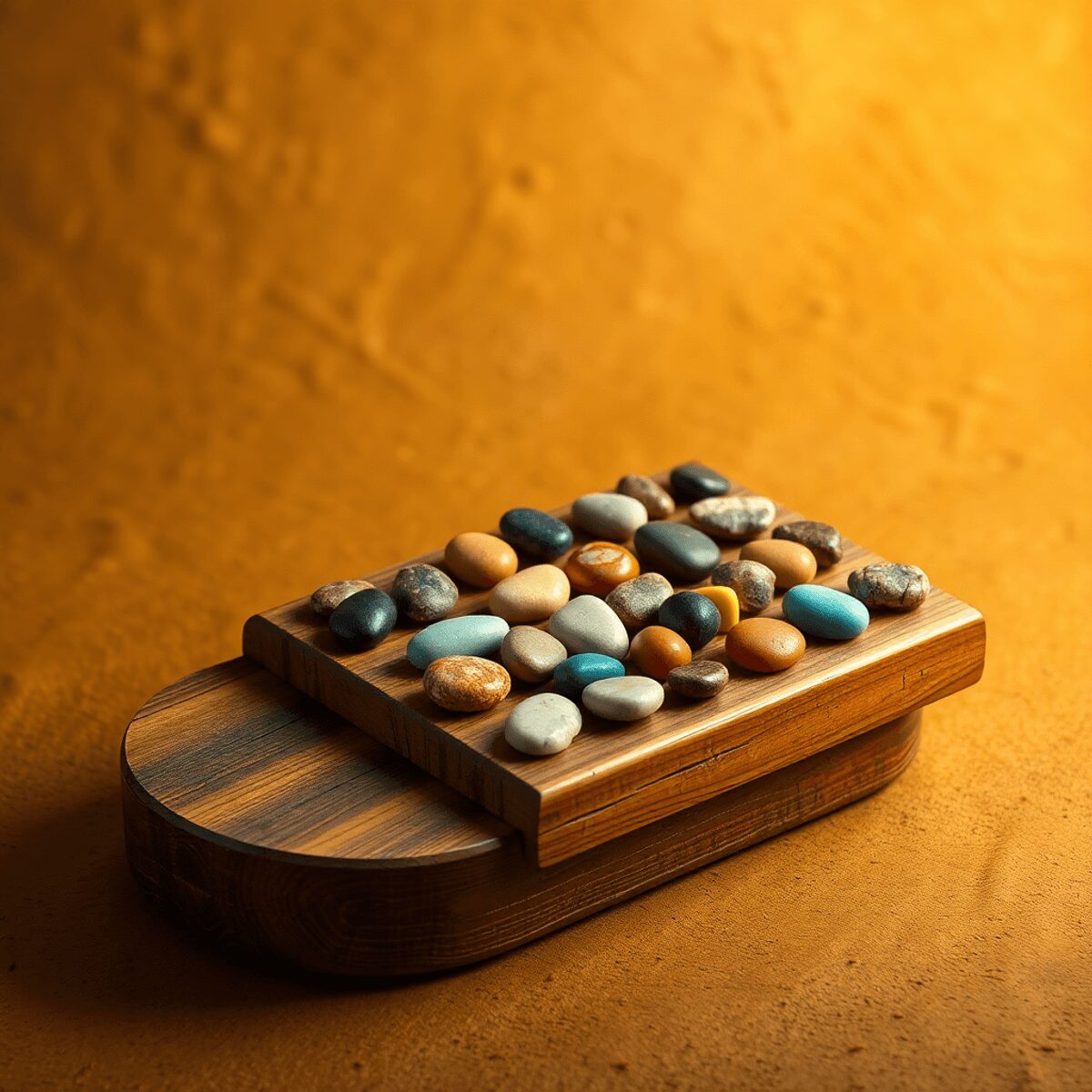
Based on archaeological evidence, it is believed that Asakku was played on a square board with a unique cross-shaped design. Scholars speculate that the game involved two players engaging in symbolic combat, with movement determined by thrown dice or knucklebones. The pieces used in the game likely represented divine forces or spiritual beings, while certain squares on the board held religious significance.
Recent analysis of cuneiform texts has shed light on specific rules governing piece movement and capture in Asakku. It appears that players advanced their pieces based on numerical values, with certain positions on the board corresponding to spiritual concepts or divine powers. This complexity suggests that the game served both recreational and ritualistic purposes, potentially elevating the social status of skilled players.
Widespread Popularity and Cultural Importance
The discovery of multiple Asakku boards in various Mesopotamian cities indicates its widespread popularity and cultural significance throughout the Sumerian period. These findings continue to offer valuable insights into the sophisticated gaming traditions of ancient Mesopotamia.
Understanding Asakku’s Spiritual and Ritual Significance
The term Asakku has a deep meaning in Sumerian texts, referring to powerful demon-spirits believed to cause illness and misfortune. Ancient cuneiform tablets describe these entities as formidable enemies of the gods, especially the healing deity Ninurta. This spiritual connection turns the game from just fun into a way to connect with supernatural forces.
Asakku as a Divination Tool
Archaeological evidence suggests Asakku was used as a divination tool during religious ceremonies. Priests would interpret game outcomes as messages from the divine, similar to how they would read celestial signs or examine animal entrails. The layout of the game board, with its distinct paths and sacred symbols, reflects the Sumerian understanding of the universe and the hierarchy of the gods.
Ritualistic Elements in Gameplay
The gameplay of Asakku had several ritualistic elements:
- Players took on the roles of gods or demons
- Specific moves in the game represented battles between spirits
- Game pieces were seen as sacred objects
- The patterns on the board corresponded to celestial arrangements
This aspect of Asakku is similar to Egypt’s Senet, where playing the game symbolized the journey of the soul through the afterlife. Both games had religious meanings and were played in temples alongside spiritual ceremonies.

Cosmic Conflicts in Gameplay
Scholars believe that the mechanics of Asakku represent cosmic conflicts. The movement of pieces across the board mirrors the ongoing struggle between order and chaos in Sumerian mythology. Dr. Irving Finkel from the British Museum suggests that certain positions in the game corresponded to astronomical events, connecting earthly gameplay with celestial phenomena.
Asakku’s Role in Religious Festivals
The discovery of Asakku boards in temple complexes supports its dual purpose as both entertainment and a spiritual tool. Priestesses used these games during significant religious festivals, particularly those honoring Ninurta and other protective deities. Playing these games in a sacred manner required specific rituals and invocations before starting.
The Role of Games in Sumerian Society and Religion
Games played a significant role in Sumerian society, serving a purpose beyond just entertainment. They were seen as a way to connect with the divine. Archaeological evidence suggests that board games were used as a means to bridge the gap between the physical and spiritual worlds, allowing players to engage in both leisure activities and religious practices simultaneously.
Games as Tools for Divine Connection
Cuneiform tablets discovered at the site of ancient Ur provide intriguing insights into how games were woven into everyday life. These tablets describe ceremonial gaming sessions held during religious festivals, where priests and nobility would come together to play under the watchful gaze of their gods. These games were more than just hobbies—they symbolized cosmic battles and divine decisions.
Key Aspects of Sumerian Board Games’ Spiritual Significance
Several key aspects defined the spiritual significance of Sumerian board games:
- Divine Communication: Games served as channels for communicating with gods, with moves interpreted as divine messages
- Social Hierarchy: Gaming sessions reinforced social structures, with certain games reserved for priests and rulers
- Fate Determination: Game outcomes were believed to predict future events or reveal divine will
The Electronic Text Corpus of Sumerian Literature contains references to gaming houses attached to temples, suggesting a strong institutional connection between gaming and religious practice. These gaming houses hosted both casual players and religious ceremonies, blending social interaction with spiritual devotion.
The Impact of Game Outcomes on Sumerian Beliefs
Sumerian beliefs tied game outcomes directly to divine favor. A player’s success or failure could indicate:
- Approval or disapproval from the gods
- Predictions about upcoming harvests
- Guidance for important decisions
- Answers to prayers or spiritual questions
Archaeological evidence from temple complexes shows dedicated gaming rooms equipped with permanent stone gaming boards, highlighting the institutional importance of these activities in Sumerian religious life.
Interestingly, the evolution of board games didn’t stop in ancient times. For instance, the Victorian Era saw a significant transformation in board games, which became a cultural phenomenon impacting social leisure and mass production.
Comparing Asakku to Other Ancient Mesopotamian Games
Ancient Mesopotamia gave rise to several fascinating board games, each with its own unique features and cultural importance. Among them, the Royal Game of Ur stands out as one of the best-preserved examples, showcasing a distinctive track-based layout adorned with intricate rosette patterns. Archaeological discoveries at the British Museum reveal its widespread popularity across various social classes, from ordinary households to royal courts.
Another game worth mentioning is Twenty Squares, which has been found in multiple archaeological sites. While it shares some similarities with the Royal Game of Ur, such as having a board layout, it introduces different movement patterns and scoring systems. Interestingly, the design of its board suggests a greater emphasis on mathematical principles rather than spiritual symbolism.
Why is Assaku so Different?
Asakku sets itself apart from these games with its one-of-a-kind features:
- Spiritual Integration: Unlike other games that primarily served as forms of entertainment, Asakku’s design incorporates specific religious symbols and references to deities.
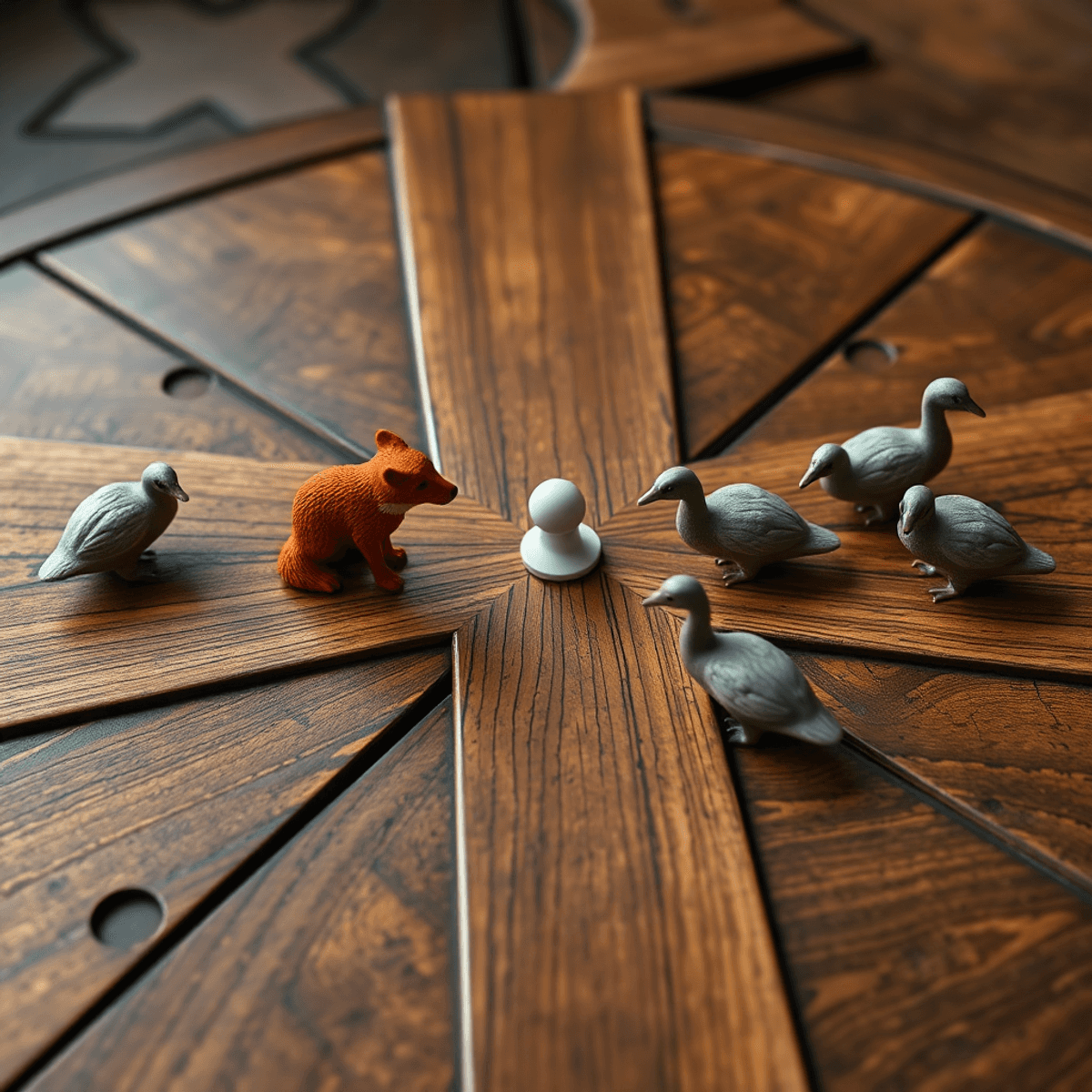
- Board Layout: Based on archaeological evidence, Asakku is believed to have a circular board pattern instead of the linear tracks commonly found in other Mesopotamian games.
- Playing Pieces: The use of sacred materials such as lapis lazuli and gold for its playing pieces indicates the ritualistic significance associated with Asakku.
Another game that provides an interesting point of comparison is 58 Holes. While it shares some ritualistic elements with Asakku, its gameplay appears to prioritize strategic thinking over spiritual connection. Archaeological records suggest that 58 Holes was popular in both Egypt and Mesopotamia, indicating a potential cultural exchange through gaming traditions.
The collection at the British Museum reveals an intriguing detail about Asakku’s game pieces – they often bore inscriptions featuring names of deities. This particular characteristic sets it apart from most contemporary games of that time period and reinforces its unique position as a bridge between recreational gaming and religious practice within ancient Mesopotamian culture.
Recent analysis of cuneiform tablets has shed light on another distinguishing aspect of Asakku – it potentially incorporated elements of divination into its gameplay. This finding further differentiates it from purely strategic games like the Royal Game of Ur and highlights Asakku’s distinct role in merging entertainment with spiritual practice.
Archaeological Evidence and Interpretation Challenges
Archaeological discoveries related to Asakku present both fascinating insights and perplexing questions. The British Museum houses several clay tablets dating back to 2600-2400 BCE that contain what scholars believe are references to Asakku gameplay. These tablets feature distinctive grid patterns and numerical markings, though their exact interpretation remains debated.
Key archaeological findings include:
- Fragmentary game boards: Discovered at sites in ancient Ur and Uruk, showing partial grid patterns
- Clay tablets: Containing possible rule fragments and player positions
- Ritual objects: Found alongside game pieces, suggesting ceremonial use
- Cuneiform inscriptions: Mentioning Asakku in context with both gaming and spiritual practices
The Louvre Museum’s collection includes a significant limestone fragment believed to be part of an Asakku game board, featuring intricate engravings that might represent both game paths and religious symbols. This dual nature of the artifacts creates interpretative challenges for historians.
Scholars face several obstacles in understanding Asakku:
- Incomplete preservation of game pieces and boards
- Multiple possible interpretations of cuneiform texts
- Lack of clear distinction between gaming and ritual artifacts
- Regional variations in gameplay and spiritual significance
Dr. Sarah Matthews of the Oriental Institute notes: “The archaeological record presents us with tantalizing glimpses of Asakku, but many pieces of the puzzle remain missing. We’re often uncertain whether specific artifacts represent purely recreational items or objects of spiritual significance.”
Recent technological advances in artifact analysis have revealed previously hidden details on game boards, including wear patterns that suggest frequent use. These findings fuel ongoing debates about whether Asakku served primarily as entertainment or maintained a deeper religious purpose throughout its history.
The complexity of interpreting cuneiform writing, a system that emerged and evolved over time, adds another layer to these challenges.
Modern Interest in Ancient Spiritual Board Games Like Asakku
Ancient spiritual board games, such as Asakku, captivate modern audiences through innovative museum exhibitions and academic reconstructions. The British Museum’s “Ancient Lives” exhibition features digital recreations of Mesopotamian games, allowing visitors to experience these historical artifacts through interactive displays.
Influence on Game Design
Game designers draw inspiration from ancient Mesopotamian gaming traditions. Award-winning designer Reiner Knizia credits the Royal Game of Ur as inspiration for his game Through the Desert, noting how ancient game mechanics can create compelling modern experiences. This reflects a broader trend where forgotten board games shape modern classics, influencing mechanics, themes, and diverse player experiences.
Conferences and Workshops
Archaeological gaming conferences bring together scholars and enthusiasts:
- The Ancient Board Games Conference at Oxford University hosts annual workshops reconstructing historical games
- The Getty Museum’s “Playing with the Past” series demonstrates ancient gaming techniques
- Digital archaeology projects create 3D models of game pieces for research and preservation
Incorporating Ancient Elements
Contemporary board game creators incorporate ritualistic elements from ancient games:
- Spirit Island designer R. Eric Reuss studied Mesopotamian divine symbolism
- Tigris & Euphrates features mechanics inspired by ancient resource management
- Lost Cities adapts archaeological expedition themes into modern gameplay
Preserving Gaming Heritage
Research institutions preserve gaming heritage through dedicated programs. The Oriental Institute at the University of Chicago maintains a collection of replicated ancient game boards, used for educational programs and scholarly research.
Connecting Enthusiasts Worldwide
Archaeological gaming societies connect enthusiasts worldwide, sharing discoveries and interpretations. The International Board Game Studies Association documents how ancient spiritual games influence modern gaming culture, preserving these historical connections for future generations.
The fascination with ancient and medieval board games extends beyond just their historical significance; it also highlights the rich cultural traditions they embody. These traditional board games from diverse cultures reveal their significance and the rich traditions behind them, further enriching our understanding and appreciation of the global board gaming landscape.
Conclusion
The Asakku game history reveals how ancient board games were more than entertainment—they were profound expressions of spirituality. Asakku, like many early games, served as a symbolic bridge between the earthly and the divine, reflecting the values and worldview of Sumerian society.
The story of Asakku invites us to look beyond the game pieces and board layouts. It reveals how our ancestors used games to make sense of their world, communicate with their gods, and pass down cultural wisdom through generations. This rich heritage continues to inspire modern game designers and scholars, proving that ancient gaming traditions remain relevant in our contemporary world.
For those intrigued by Asakku’s blend of entertainment and ritual significance, countless opportunities await:
- Visit museum collections featuring Mesopotamian artifacts
- Join archaeological gaming reconstruction projects
- Explore modern board games inspired by ancient spiritual themes
- Study the growing academic research on historical gaming practices
Studying Asakku game history reminds us that board games have always held cultural depth and meaning. Far from being mere diversions, games like Asakku acted as mirrors to ancient belief systems and social structures. By understanding their ritualistic role, we deepen our appreciation for how play has shaped—and continues to shape—human civilization across millennia.