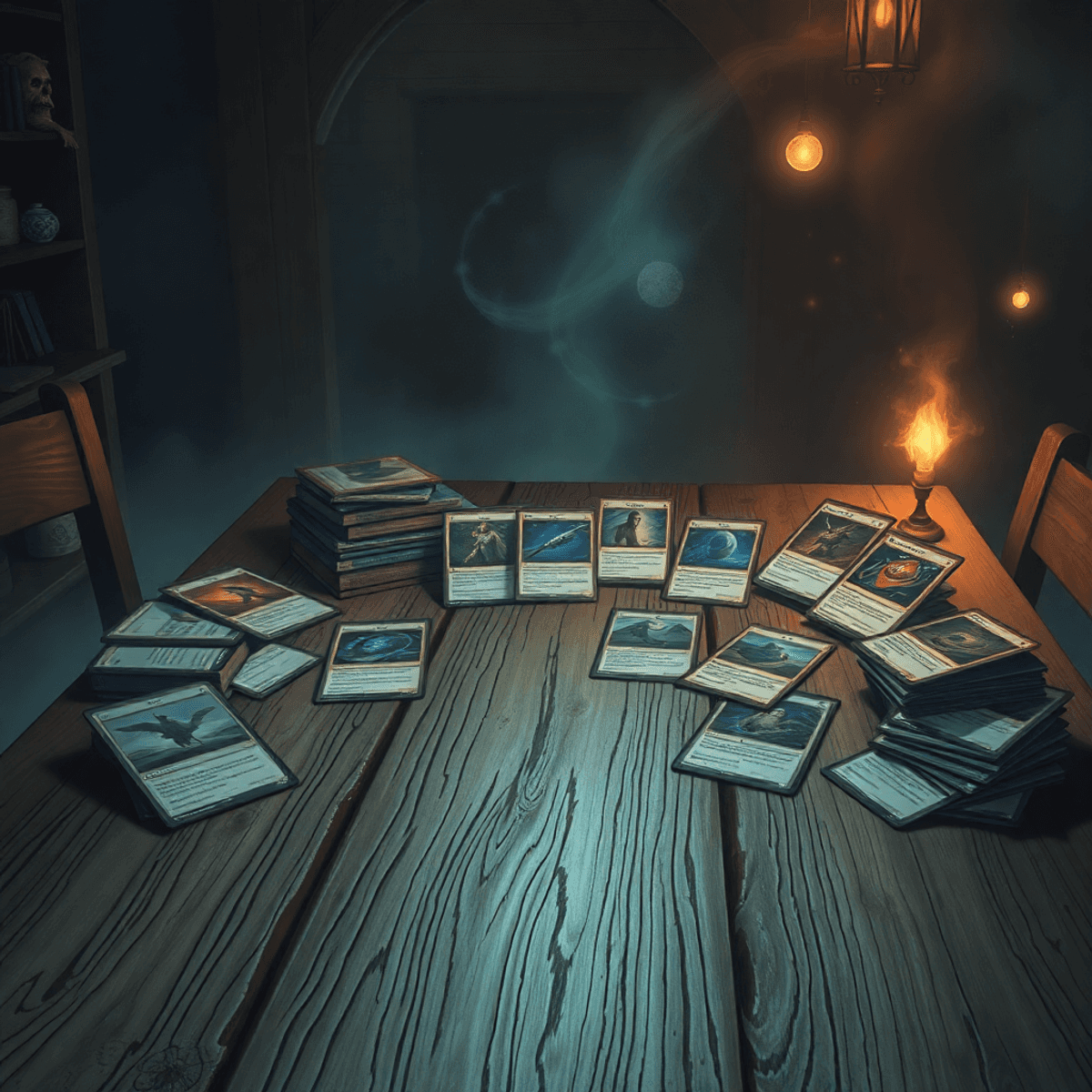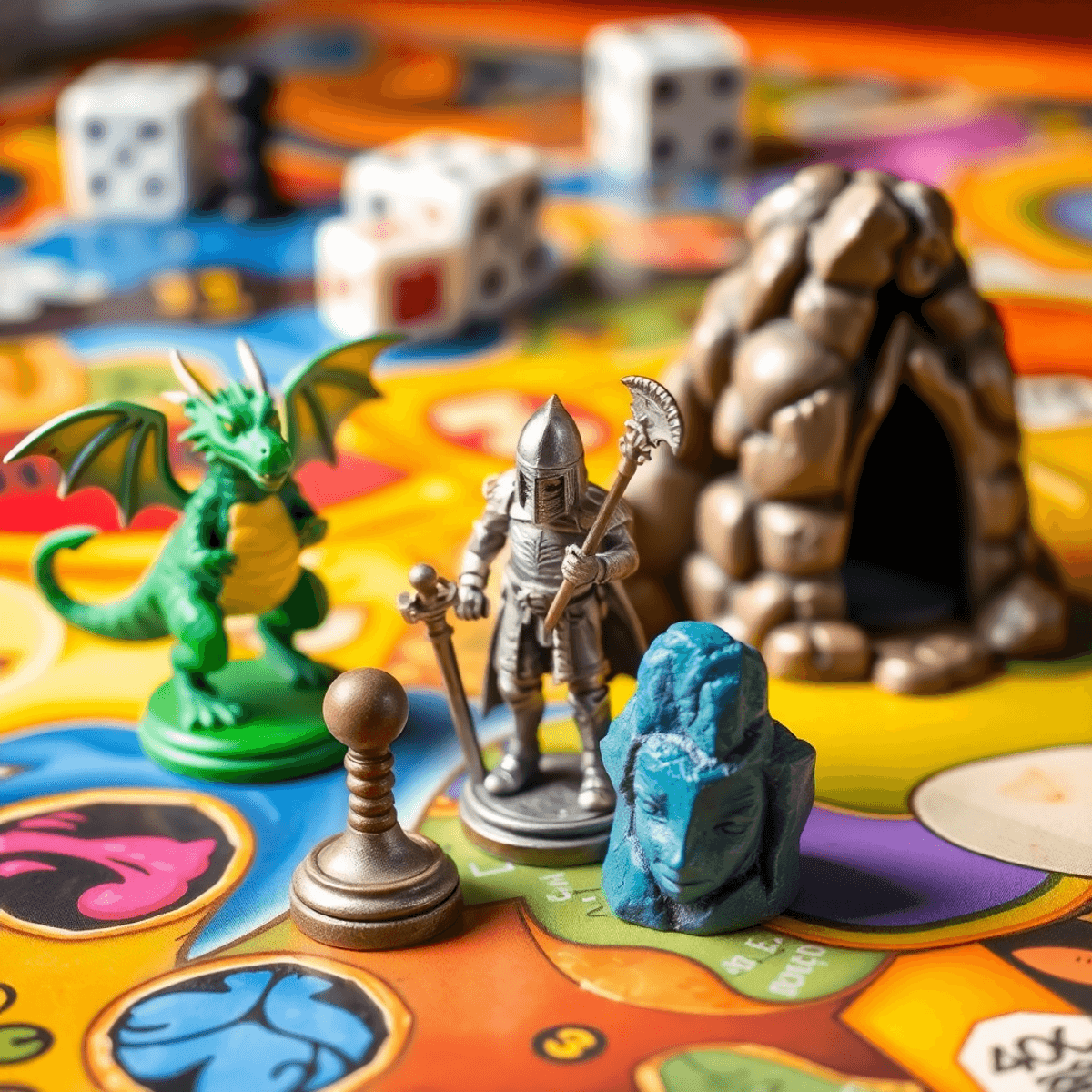
Imagine a game where each player goes on a completely different adventure—a powerful dragon guarding its treasure, a courageous knight seeking fame, and even the cave itself scheming to devour them. This isn’t a collection of separate games—it’s the intriguing world of asymmetric board games, where every player’s journey is uniquely crafted and mechanically distinct.
Modern board games have evolved beyond the traditional model where every player shares the same rules and goals. In the world of asymmetric board games, each participant manages unique abilities, personalized decks, and different victory conditions. This variation creates deeply engaging and unpredictable gameplay, where no two roles feel the same—and that’s exactly what keeps players coming back for more.
Think about classic games like Chess or Monopoly – every player starts off equally and has the same choices. Now think about games like:
- Root – Where woodland creatures fight using completely different strategies
- Vast – With its entirely unique roles and victory conditions
- Android: Netrunner – Pitting corporation and hacker against each other in an intricate cyberpunk dance
These innovative designs turn every game session into a dynamic puzzle where players must master their unique abilities while adapting to their opponents’ strengths. The rise of asymmetrical design has changed how players engage with games, challenged traditional ideas of balance, and created new levels of replayability.
In this article, we’ll dive into how these groundbreaking mechanics have transformed modern board gaming. We’ll explore their impact on player experience and discuss what they mean for the future of tabletop game design.
Understanding Asymmetrical Game Design in Modern Board Games
Asymmetrical game design breaks traditional gaming conventions by assigning players fundamentally different roles, powers, and objectives within the same game. This design philosophy creates dynamic player interactions through:
- Distinct Player Roles: Each participant embodies a unique character or faction with specialized abilities
- Variable Powers: Players wield different mechanical advantages and special actions
- Diverse Objectives: Victory conditions vary between players, creating multiple paths to success
The evolution from symmetrical to asymmetrical gameplay marks a significant shift in board game design. Traditional games like Chess and Go featured identical starting positions and abilities for all players. However, the history and evolution of dice in board games has also played a role in shaping gameplay experiences.

Early Experiments with Asymmetry
The 1970s saw early experiments with asymmetry through games like Cosmic Encounter, where players controlled alien races with unique powers.
Surge of Asymmetric Design
A surge of asymmetric design emerged in the 2000s, driven by innovative designers and growing player demand for complex experiences. BoardGameGeek data shows a 300% increase in asymmetric game releases between 2010 and 2020.
Game designer Cole Wehrle notes:
“Asymmetry creates natural narratives and forces players to approach each game with fresh strategies.”
The benefits of asymmetrical design include:
- Enhanced replay value through multiple unique perspectives
- Deep strategic complexity from interacting mechanics
- Strong thematic integration between gameplay and narrative
- Increased player engagement through personalized gameplay styles
Modern asymmetric games leverage these elements to create rich, varied experiences that challenge players to master different roles while adapting to opponents’ unique capabilities. This design approach transforms each playthrough into a distinctive strategic puzzle, where understanding both your abilities and your opponents’ powers becomes crucial for success.
Moreover, the evolution of action selection in worker placement games has added another layer of complexity and strategy to board gaming. Additionally, tile placement and modular game design have also played significant roles in shaping modern board games. Furthermore, the rise of legacy and campaign-based board games has redefined gameplay by introducing evolving narratives that span multiple sessions.
The Role of Unique Player Powers and Variable Player Decks
Unique player powers and variable decks are essential elements of asymmetrical game design. They create different gameplay experiences for each player, influencing how they strategize, interact with others, and pursue victory.
Unique Player Powers
Unique Player Powers grant specific abilities or advantages to different roles:
- Starting Resources: Different quantities or types of initial assets
- Special Actions: Role-specific moves unavailable to other players
- Rule Exceptions: Ability to break or modify standard game rules
- Custom Objectives: Individual victory conditions or scoring methods
Variable Player Decks
Variable Player Decks provide tailored card pools that define strategic options:
- Custom card combinations reflecting faction themes
- Specialized resources and abilities
- Distinct tactical approaches to common game objectives
- Role-specific counter-mechanics against opponents
Games like Spirit Island demonstrate these mechanics through spirits with unique power cards and growth options. Each spirit’s deck contains thematic abilities that shape their approach to island defense and colonist management.
Star Wars: Rebellion uses asymmetric decks to enhance its thematic depth. The Rebel Alliance relies on mobility and deception cards, while the Empire’s deck focuses on overwhelming force and control.
These mechanical differences create dynamic player interactions. In Cosmic Encounter, unique alien powers force players to adapt their strategies based on their opponents’ abilities. The combination of different powers in each game session generates fresh tactical puzzles and social dynamics.
Variable player decks and unique powers transform standard game mechanics into rich, thematic experiences. Players must master their role’s specific tools while learning to counter opponents’ distinct advantages, creating engaging gameplay loops that reward both specialization and adaptability.
Case Studies of Asymmetry in Popular Modern Board Games
Root: Mastering the Art of Faction Balance
Root stands as a masterclass in asymmetrical design, featuring four base factions that operate under completely different rulesets. The Marquise de Cat builds a woodland empire through industrial might, while the Eyrie Dynasty follows a rigid decree system. The Woodland Alliance grows through spreading sympathy tokens, and the Vagabond plays as a single adventurer exploring the forest.

Each faction’s unique deck reflects their thematic identity:
- Marquise de Cat: Cards focusing on building and resource management
- Eyrie Dynasty: Decree cards that must be played in specific orders
- Woodland Alliance: Supporter cards that fuel revolutionary actions
- Vagabond: Item cards that enhance exploration abilities
Root’s designer Cole Wehrle achieved balance through extensive playtesting and a “reach” system, where stronger factions face additional challenges when playing against weaker ones. This innovative approach allows dramatic asymmetry while maintaining competitive fairness.
The game’s design is also a testament to the history and evolution of deck-building and card-driven games, showcasing how these mechanics have shaped the industry.
Vast: The Mysterious Manor’s Radical Role Diversity
Vast takes asymmetry to its logical extreme. Each player inhabits a completely different game experience:
- 🏰 The Manor: Expands and manipulates the physical game board
- 🦇 The Spider: Weaves webs and hunts for prey
- 🗡️ The Paladin: Explores and gains strength through equipment
- 👻 The Skeletons: Multiply and seek to accomplish ritual goals
- 🕯️ The Warlock: Controls poltergeists and manipulates other players
These roles don’t just have different abilities—they play by entirely different rule sets. The Manor player literally becomes the game board, while the Skeletons operate as a collective entity. This creates intricate interactions where each player must understand not only their role but how it intersects with others.
Android: Netrunner’s Cyberpunk Asymmetry
Android: Netrunner revolutionized two-player card gaming through its Corporation versus Runner dynamic. The game creates tension through fundamentally different play experiences:
Corporation Player
How Asymmetrical Design Influences Player Engagement and Replayability
Asymmetrical board games have a unique psychological appeal that sets them apart from traditional games. This appeal comes from their ability to create distinct player identities, where each role becomes a personal journey of mastery. In these games, players develop specialized strategies and techniques that are specific to their character or faction. This sense of ownership and expertise drives deeper engagement, as players invest time understanding the intricacies of their chosen role.
The Power of Distinct Player Abilities
Games with distinct player powers tap into our natural desire for autonomy and competence. Research in game psychology suggests that when players feel their role is truly unique, they experience:
- Enhanced personal investment in game outcomes
- Stronger emotional connection to their faction or character
- Greater satisfaction when executing role-specific strategies successfully
The Replayability Factor
The replayability factor in asymmetrical games multiplies with each unique role or deck combination. A game like Root offers dramatically different experiences as players switch between factions:
- The Marquise de Cat demands industrial efficiency
- The Woodland Alliance requires careful timing and insurgency tactics
- The Vagabond focuses on individual quest completion and opportunistic alliances
This variety creates a natural progression where players can:
- Master one role’s basic strategies
- Explore advanced techniques within that role
- Learn new roles to understand opposing perspectives
- Discover interactions between different faction combinations
Fresh Experiences Every Session
The dynamic nature of asymmetrical gameplay ensures each session feels fresh, as player interactions vary significantly based on the roles in play. When the Eyrie Dynasty faces off against the Underground Duchy in Root, the strategic landscape differs entirely from a match between the Riverfolk Company and the Corvid Conspiracy.
Challenges in Balancing Asymmetric Games with Unique Decks and Powers
Balancing asymmetrical games presents designers with intricate puzzles that demand extensive testing and refinement. Each unique faction or deck creates exponential complexity in player interactions, making traditional balancing methods insufficient.
Root designer Cole Wehrle’s approach to balance reveals the depth of this challenge:
“We spent months testing every possible faction combination. Each new faction added dozens of interactions to verify. The key was finding the right mix of power spikes and vulnerabilities for each faction.”
Common Balance Challenges:
- Power curve disparities between factions at different game stages
- Skill ceiling variations affecting competitive play
- Hidden strength multipliers in specific faction combinations
- Learning curve imbalances impacting new player experiences
Successful balancing often requires innovative solutions. The Android: Netrunner design team implemented an influence system limiting cross-faction card usage, creating natural boundaries while preserving deck-building creativity. Similarly, Cosmic Encounter uses variable alien powers rated by complexity, allowing groups to self-regulate game balance.
Not all balance attempts succeed initially. Vast: The Crystal Caverns faced early criticism for its Cave faction’s dominance in certain player counts. The designers responded with targeted adjustments through expansion content and revised rules, demonstrating the ongoing nature of balance refinement.
Designer Solutions:
- Built-in handicap systems for experienced players
- Dynamic victory conditions that scale with faction strength
- Catch-up mechanics targeting specific gameplay phases
- Community-driven balance testing programs
The rise of digital platforms has enabled designers to gather extensive play data, leading to more refined balance adjustments. This data-driven approach helps identify subtle faction advantages that might escape traditional playtesting methods.
The Future of Asymmetrical Game Design in Modern Board Games
The world of asymmetrical game design is constantly changing, with new and creative ideas pushing the boundaries of what is possible. One exciting trend in modern board games is the combination of traditional symmetrical elements with asymmetric mechanics, resulting in hybrid designs that offer both familiar gameplay and unique experiences.
Key Directions in Asymmetrical Game Design
Recent developments in the industry show three main areas where asymmetrical game design is heading:
1. Digital-Physical Integration
- App-supported asymmetric roles
- Real-time data tracking for dynamic power balancing
- Automated tutorials for complex unique mechanics
2. Narrative-Driven Asymmetry
- Legacy-style progression systems
- Character development affecting asymmetric powers
- Branching storylines tied to faction abilities
3. Modular Asymmetry Systems
- Mix-and-match power combinations
- Customizable faction abilities
- Scalable complexity levels
The Rise of Adaptive Asymmetry
Indie designers are also exploring adaptive asymmetry, where systems evolve based on player choices throughout the game. This concept can be seen in games like Oath, which allows players to shape the narrative and mechanical landscape over multiple sessions.
The Demand for Accessible Asymmetry
The market has shown a strong interest in games that feature lighter asymmetric elements, as they provide depth without being overly complex. This demand has led to the creation of “gateway asymmetric games” that introduce players to unique roles through intuitive mechanics.
The Role of Technology in Asymmetrical Game Design
Digital tools have become invaluable for designers looking to create intricate asymmetric interactions. These tools enable them to test and refine these interactions more efficiently, resulting in smoother and better-balanced gameplay experiences.
Furthermore, the integration of AI assistance in game development holds great potential for reshaping how designers tackle asymmetric balance. This could lead to more dynamic and sophisticated power systems in future releases.
The Future of Asymmetrical Game Design Looks Bright
As we look ahead, it is clear that asymmetrical game design will continue to evolve and adapt to meet the needs of players. With the rise of hybrid designs, adaptive systems, and technological advancements, we can expect even more innovative and engaging experiences in the world of board games.
Conclusion
The rise of asymmetric board games signals a powerful shift in modern game design. Titles like Root, Vast, and Android: Netrunner demonstrate how giving players distinct abilities and objectives leads to rich, dynamic interactions that challenge conventional board game formats and redefine strategic depth.
These innovative designs offer players:
- Multiple perspectives within a single game system
- Deep strategic choices tied to specific roles
- Fresh experiences with each playthrough
- Stronger thematic immersion through specialized mechanics
The board gaming landscape continues to transform through asymmetrical design. Each new release pushes boundaries, experiments with novel mechanics, and reimagines how players can interact within shared game spaces. From woodland warfare to cyberpunk heists, these games prove that different doesn’t mean unbalanced – it means exciting.
Ready to dive into asymmetrical gaming? Start with a title that speaks to your interests. Whether you’re drawn to Root’s political intrigue, Vast’s radical role differences, or Netrunner’s high-stakes corporate warfare, there’s an asymmetric adventure waiting for you.
The future of tabletop gaming is deeply tied to the innovation of asymmetric board games. As designers continue to explore variable roles, deck asymmetry, and creative win conditions, they open doors to fresh narratives and endless replayability—keeping players eager to return to the table with every session.